
English Below
ESTUDIO: Personas transgénero sufren discriminación tratando de usar baños
Un nuevo estudio del Instituto Williams confirma que las personas transgénero se enfrentan a niveles significativos de discriminación y acoso, simplemente cuando se trata de usar el baño. El estudio se centró en las personas que se identifican como transgénero non-conforming/genderqueer o de género en el área de Washington, DC y se encontró que una abrumadora mayoría – 70 por ciento – había experimentado algún tipo de reacción negativa cuando se utiliza un baño. El estudio señala que esto es a pesar del hecho de que los reglamentos de aplicación de CC contienen «el lenguaje más fuerte en el país en lo que se refiere a las instalaciones públicas segregadas por género» para proteger a las personas trans de sólo este tipo de cuestiones.
La experiencia primaria de las personas trans reportaron fue el acoso verbal, con un 68 por ciento reportando que se les dijo que estaban en la planta equivocada, dijo que se fuera de la instalación, interrogado sobre su género, ridiculizado o burlado, amenazado verbalmente, o mirado y dado extraña se ve. Algunos también compartió que la policía fue llamada y otros señalaron que se siguieron después de usar una instalación. El 9 por ciento de los encuestados, asalto físico también ha ocurrido, incluyendo ser sacados a la fuerza de ir al baño, golpeado o pateado, intimidados o acorralado, o una bofetada, uno de los entrevistados reportó haber sido agredida sexualmente.
Por otra parte, el 18 por ciento de los encuestados informaron que estaban simplemente les niega el acceso a un baño. Varios de ellos eran estudiantes cuya educación sufrido a causa de esta discriminación, en parte debido a las ausencias excesivas. Los que experimentaron problemas en el lugar de trabajo creen que contribuyó al bajo rendimiento laboral, y algunos puestos de trabajo, incluso modificados o simplemente renunciaron a su trabajo para evitar los enfrentamientos.
No hubo consecuencias para la salud de los encuestados, así, con el 54 por ciento reportó complicaciones físicas como la deshidratación, las infecciones del tracto urinario, infecciones de los riñones y otros problemas renales simplemente debido a las tácticas que utilizan para evitar ir al baño durante el día. Muchos centros de salud también tienen baños segregados por género, lo que desalienta a las personas de buscar tratamiento para estas condiciones. Hasta un 58 por ciento ha evitado salir en público a veces debido a las preocupaciones de baño.
El estudio concluye sugiriendo que la sociedad repensar la segregación de género en conjunto:
Transgénero y de género las personas no conformes se encuentran en peligro en los espacios de género en nuestro entorno construido. Hasta que la política pública y la administración pública pueden hacer frente al desafío de abordar este problema y repensar nuestra dependencia de la segregación de género en el entorno construido, la responsabilidad será siempre sobre el individuo para tratar de navegar por estos espacios de manera segura. Al considerar las obras de segregación de género de rol en nuestro entorno, debemos considerar si la segregación de género es necesario organizar nuestros espacios públicos. Esto es algo que muchos legisladores, funcionarios públicos y administradores están tratando de resolver como transgénero y de género las personas disconformes han aumentado su visibilidad, formaron coaliciones políticas en los Estados Unidos, y se organizan para dar a conocer las cuestiones y problemas que se enfrentan en nuestra la sociedad. Mientras que algunos países han respondido a la llamada a realizar cambios en sus políticas y espacios públicos, muchos aún no han asumido este reto, pero, sin duda, debe enfrentar en el futuro.
Estudios previos han confirmado que las personas trans abhorrently experimentan altos niveles de discriminación, en particular en el empleo y la vivienda, además de los lugares públicos, como los baños. ¿Qué se gana forzando a la gente a ajustarse a las estrictas normas de género sigue siendo poco clara.
++++++++++++++++++++++++++++++++++++++
STUDY: Transgender People Experience Discrimination Trying To Use Bathrooms
A new study from the Williams Institute confirms that transgender people face significant levels of discrimination and harassment simply when trying to use the restroom. The study focused on people who identify as transgender or gender non-conforming/genderqueer in the Washington, DC area and found that an overwhelming majority — 70 percent — had experienced some sort of negative reaction when using a bathroom. The study notes that this is in spite of the fact that DC’s enforcement regulations contain “the strongest language in the country in regard to gender-segregated public facilities” to protect trans people from just these sorts of issues.
The primary experience trans people reported was verbal harassment, with 68 percent reporting they were told they were in the wrong facility, told to leave the facility, questioned about their gender, ridiculed or made fun of, verbally threatened, or stared at and given strange looks. Some also shared that the police were called and others noted that they were followed after using a facility. For 9 percent of respondents, actual physical assault has also occurred, including being forcibly removed from the restroom, hit or kicked, intimidated or cornered, or slapped; one respondent reported being sexually assaulted.
Moreover, 18 percent of respondents reported they were simply denied access to a restroom. Several of them were students whose education suffered because of this discrimination, in part because of excessive absences. Those who experienced issues in the workplace felt it contributed to poor job performance, and some even changed jobs or simply quit their jobs to avoid the confrontations.
There were health consequences for respondents as well, with 54 percent reporting physical complications like dehydration, urinary tract infections, kidney infections, and other kidney problems simply because of the tactics they used to avoid going to the restroom during the day. Many health facilities also have gender-segregated restrooms, which discourages individuals from seeking treatment for these conditions. As many as 58 percent have avoided going out in public at times because of bathroom concerns.
The study concludes by suggesting that society rethink gender segregation altogether:
Transgender and gender non-conforming people can find themselves in danger in the gendered spaces in our built environment. Until public policy and public administration can meet the challenge to address this problem and rethink our reliance on gender segregation in our built environment, the onus will always be on the individual to try to navigate these spaces safely. In considering the role gender segregation plays in our environment, we should consider whether gender segregation is necessary to organize our public spaces. This is something that many legislators, public officials, and administrators are currently grappling with as transgender and gender non-conforming people have increased their visibility, formed political coalitions in the United States, and organized to make known the issues and problems they encounter in our society. While some jurisdictions have responded to the call to make changes to their policies and public spaces, many have not yet taken on this challenge but undoubtedly must face it in the future.
Previous studies have confirmed that trans people experience abhorrently high levels of discrimination, including in employment and housing in addition to public accommodations like restrooms. What is gained by forcing people to conform to strict cisgender norms remains unclear.
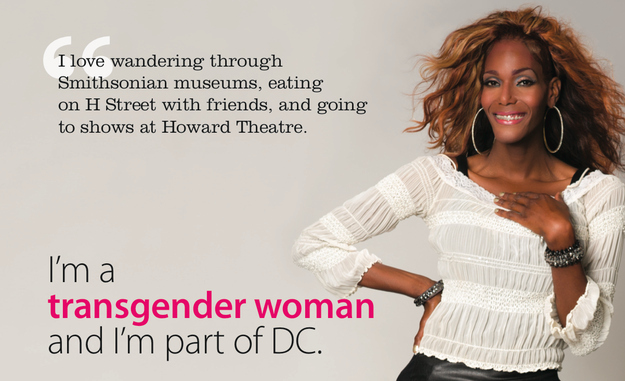
 Asociación Silueta X en Guayaquil y Quito Ecuador