
English below
Fuente: http://www.eluniverso.com/2010/11/22/1/1355/glbt-hay-dudas-sobre-como-autodefinir-genero.html
Entre GLBT hay dudas sobre cómo autodefinir su género.
La pregunta ¿Cuál es el sexo de…? Hombre o mujer, que se plantea en el cuestionario del Censo de Población y Vivienda que se realizará el domingo próximo, no debería inquietar a Diane Rodríguez, muy segura respecto de su identidad sexual y de lo femenina que luce. Pero su voz grave, que delata su pasado, le hace replantearse la pregunta, pues tiene dudas sobre cómo será identificada por el encuestador.
Diane, de 27 años, preside la organización femenina de transgéneros Silueta X, con sede en Guayaquil, y cree que en la papeleta censal se debió incluir una pregunta que permita a las personas en similares condiciones a las de su grupo identificarse sexualmente, como ocurre con la pregunta relacionada a las etnias. «Esto deja ver la falta de asesoría que tienen estas instituciones», dice, al resaltar que aunque la Constitución vigente (artículo 66, literal 9) garantiza «el derecho a tomar decisiones libres, informadas, voluntarias y responsables sobre su sexualidad, y su vida y orientación sexual…», aún hay limitaciones dentro de la sociedad para incluirlos.
«Consto en la cédula como hombre (en referencia a la M de masculino que aparece en su documento de identidad) y no sé a qué regirme, porque es un censo, es algo oficial. ¿Dirán que estoy falseando la información?», se pregunta.
Sin embargo, en las charlas que impartieron la semana anterior los maestros preparados por el Instituto Nacional de Estadística y Censos (INEC), a los estudiantes de colegios, la instrucción es clara: «Si usted ve que es hombre, pero él le dice ‘soy mujer’, señale la opción mujer en la papeleta», o «tienen que poner lo que ellos dicen, sin necesidad de verificarlo».
La directora regional del INEC, Jéssica Menéndez, afirma, incluso, que a los encuestadores «solo les compete confiar en la información que suministren las personas». Esto, en relación a consultas sobre el número de focos ahorradores, de los cuartos que posee la casa y de otros ítems que constan en el cuestionario.
Gonzalo Abarca, de 57 años y defensor de los derechos de los GLBT (Gays, Lesbianas, Bisexuales y Transgéneros), cuenta que en su caso no hay problema. «Yo soy bisexual, pero me considero hombre y así me pondré. La confusión es para mi novia, que es transgénero. Creo que se pondrá Jacinto, su nombre original, para evitar problemas», comenta. No obstante, cree que por estos casos la información que dejará el censo, por ejemplo, en cuanto a empleo, educación, fecundidad y mortalidad será irreal, porque no reflejará la situación de estos «grupos fáciles de identificar pero que son excluidos».
Según el último Censo de Población y Vivienda realizado en el 2001, del total de la población de ese entonces (12’090.804 habitantes) el 50,4% (6’094.245) eran mujeres y el 49,5% (5,9 millones) eran hombres, sin distingo de los GLBT.
Observaciones: a las preguntas
Población real
Diane Rodríguez, miembro de una comunidad GLBT, afirma que más que estadístico, contar con datos reales de esa población sería vital para emprender programas direccionados a su beneficio.
Hubo filtro
Según el director del INEC, Byron Villacís, la petición de los GLBT sobre una pregunta acerca de ellos no fue la única que recibió el Instituto. Dijo que hubo un filtro para dejar 71 preguntas en la boleta. Se recibieron casi 400 para ser consideradas en el censo.
+++++++++++++++
Source: http://www.eluniverso.com/2010/11/22/1/1355/glbt-hay-dudas-sobre-como-autodefinir-genero.html
Among GLBT no doubt about how self-define their gender.
The question: What is the sex of …? Male or female, which arises in the Census of Population and Housing to be held next Sunday should not disturb Diane Rodriguez, very sure about their sexual identity and how feminine it looks. But his deep voice that betrays his past makes him rethink the question, because you’re unsure how it will be identified by the interviewer.
Diane, 27, chairs the organization transgender female silueta X, based in Guayaquil, and believes that in the ballot census was due to include a question that allows people in similar conditions to those in your group identify sexually, as with the question related to ethnicity. «This reveals the lack of assistance of these institutions,» he says, highlighting that even the current Constitution (Article 66, paragraph 9) guarantees «the right to make free, informed, voluntary and responsible about their sexuality, and their life and sexual orientation … «, there are still limitations in society to include them.
«I acknowledge on the ballot as a man (referring to male M appears on your ID) and do not know which to abide, because it is a census, is official.? Say I’m misrepresenting the information?» He question.
However, in the talks last week taught teachers prepared by the National Institute of Statistics and Census (INEC), students of schools, instruction is clear: «If you see that a man, but he says’ I am a woman ‘, point to women on the ballot «or» have to put what they say, no need to check «.
The regional director of INEC, Jessica Menendez said even the pollsters that «only their competence trust the information provided by the people.» This, in relation to queries about saving bulbs number of rooms that owns the house and other items contained in the questionnaire.
Gonzalo Abarca, 57, a defender of the rights of the GLBT (Gay, Lesbian, Bisexual and Transgender), note that if there is no problem. «I’m bisexual, but I consider myself well man and I will.’s Confusion is for my girlfriend, who is transgender. Believe that will Jacinto, its original name, to avoid problems,» he says. However, he believes that in these cases the information will the census, for example, in employment, education, fertility and mortality will be unreal because not reflect the situation of these «groups easily identifiable but are excluded.»
According to the last Population and Housing Census conducted in 2001, the total population at that time (.804 12’090 inhabitants) 50.4% (6’094 .245) were female and 49.5% (5.9 million ) were men, without distinction of GLBT.
Remarks: questions
Real Population
Diane Rodriguez, GLBT community member, says that more than statistical, have actual data of this population would be vital to undertake programs directed to their advantage.
there filter
According to the director of INEC, Byron Villacis, GLBT ‘request on a question about them was not only received by the Institute. He said there was a filter to make 71 questions on the ballot. There were almost 400 to be considered in the census.
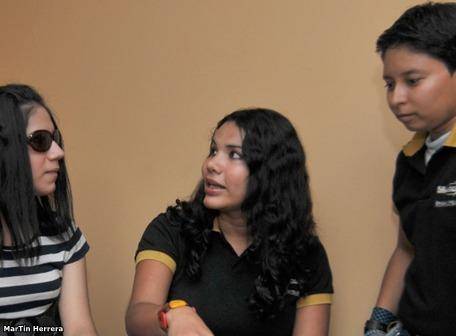
 Asociación Silueta X en Guayaquil y Quito Ecuador