
English Below
Fuente: http://t.co/sT4bTdaMro
Trans, entre el discrimen y el grito de ser aceptados.
Cuando tenía seis años y se llamaba Geovani, en las noches se cobijaba bajo una sábana y rogaba a «Diosito» que al día siguiente, al momento de despertar, sea una niña.
«Veía películas donde sucedían cosas mágicas y quería que me pase lo mismo»… Pero esa magia no llegó hasta las tantas habitaciones del niño Geovani (vivió de casa en casa, con familiares o hasta con desconocidos, tras el suicidio de su madre). Desde su infancia y durante su adolescencia se sintió como mujer en el cuerpo de hombre y, como ella dice, estuvo «disfrazada por 24 años». A esta edad Geovani no necesitó de polvos mágicos sino de su fuerza interior para salir de su casa vestida de fémina con el nombre de Andrea. Tiene 26 años y con su voz baja pero con firmeza se identifica como trans.
En la sociedad aún hay desconocimiento del término, que abarca a transgéneros y transexuales. De hecho la misma Andrea no lo conocía y antes pensaba que era gay. «Pero algo no me cuadraba. No me sentía un hombre que me gustaba otro hombre, me sentía una mujer que se sentía atraída por otro hombre», comenta.
Ser trans no es lo mismo que ser gay o lesbiana. No es una orientación sexual. Las personas trans se identifican con el género opuesto y construyen su identidad de género, según explica un estudio elaborado por la Comisión Interamericana de Derechos Humanos.
Es decir, quien nació biológicamente hombre se reconoce como mujer y adopta su comportamiento o apariencia física (trans femenina), o quien nació como mujer se identifica como hombre (trans masculino).
La identidad de género es la vivencia interna e individual del género en cada persona. La Asociación Americana de Psiquiatría la eliminó del catálogo de enfermedades mentales.
El término está reconocido en la Constitución (antes del 2008 no existía en el marco legal) e incluso prohíbe la discriminación a las personas trans.
Pese a lo establecido en la Carta Magna, la vida de Andrea no ha sido fácil. En las calles tiene que soportar miradas de condena o comentarios burlescos; una empresa la rechazó para una vacante porque no contrataban «fenómenos» y una clínica la despidió después de confesar que era trans.
Lo que ocurrió en una fiesta de Sweet & Coffee en Quito tiene rasgos similares: Dos trans femeninas fueron impedidas de ingresar a un festejo de fin de año por ir vestidas como mujeres. Un vídeo del incidente fue difundido en internet y causó el rechazo de activistas Glbti (gays, lesbianas, bisexuales, transexuales e intersexuales) y defensores de sus derechos. La empresa informó haber sancionado a la empleada que prohibió su ingreso. Pero a más de esto, las dos fueron despedidas.
Según la primera investigación sobre condiciones de vida de la población Glbti en Ecuador elaborada por el INEC (Instituto Nacional de Estadística y Censos) con entrevistas a 2.085 personas (de ellas 875 trans), 43,8% de los consultados han sufrido discriminación laboral, y un 27,6%, exclusión en el mismo campo.
La activista de 31 años Diane Rodríguez, quien en las pasadas elecciones fue candidata a asambleísta, sintió en dos ocasiones una mirada diferente en su faceta de trabajadora cuando se enteraron que era trans.
En la primera tenía 24 años y laboraba como Luis Benedicto (su mamá es sumamente católica). El nombre de Diane lo usaba cuando se travestía. Para ese entonces, ya tomaba hormonas femeninas que, entre otros efectos, hace crecer los senos, pero no suaviza la figura masculina desarrollada en la adolescencia.
El entonces Luis era cajero en una corporación automotriz. Después de que un mecánico lo viera vestido como mujer en Montañita y lo divulgara a otros compañeros, le pidieron la renuncia por «dar un mal ejemplo» (ella se negó), le encargaron tareas que no le correspondían y finalmente llegó el despido.
La historia se repitió a los 26. Trabajaba para un hotel como Luis, pero ya había empezado su activismo y en los eventos de Silueta X (organización trans que preside) quien aparecía era Diane. Fue despedida al día siguiente de haber participado en uno de estas actividades y saliera dando declaraciones a un canal de televisión.
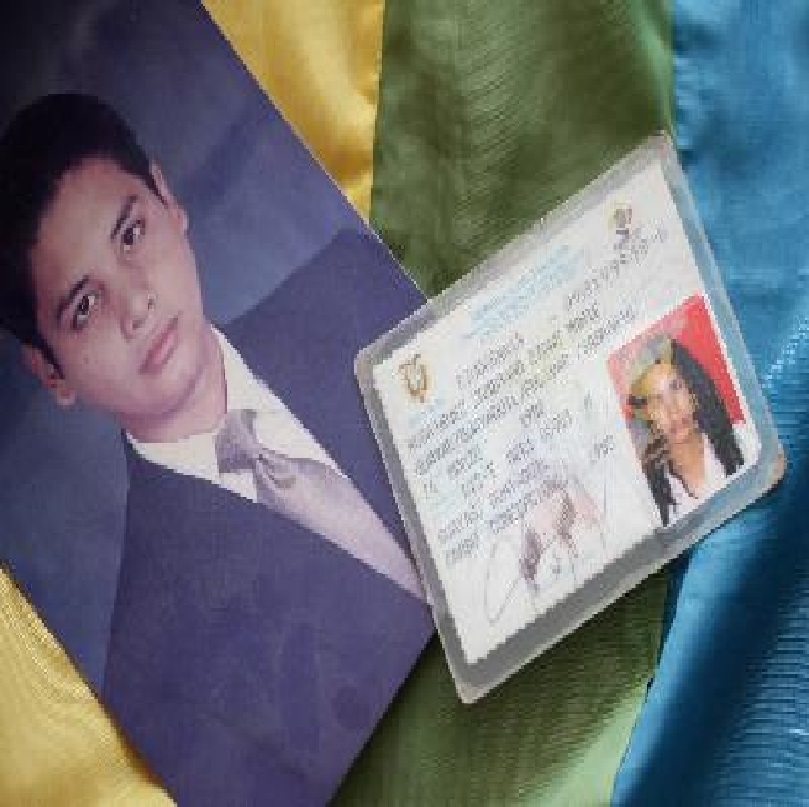
Después de esto, enterró a Luis. Cambió su nombre en su cédula (ver recuadro). No volvió a conseguir trabajo y hoy se dedica solo a Silueta X.
Diane tiene hoy un cabello largo crespo y unos prominentes implantes de senos. Su rostro se lo maquilla con cuidado y coquetamente. Como tiene adaptado su cuerpo a la biología femenina, es una mujer transexual. Lo mismo Andrea. Transgénero es un paso anterior, cuando se adopta comportamientos, habla y estética del sexo opuesto.
Lo que no han hecho ni Diane ni Andrea es una cirugía de reasignación genital. De hecho, no les interesa.
en los hogares. Según la investigación del INEC, el 70,9% de los entrevistados reportó que vivió alguna experiencia de discriminación en sus hogares.
Cuando James Zúñiga, un corpulento trans de 22 años, era Jessi, su padre lo sorprendió en su dormitorio besándose con una novia que tenía a escondidas. En ese entonces tenía 18 años. La reacción: latigazos de su padre y cachetadas de su madre.
Desde su infancia se sintió como un niño. Prefería jugar con su hermano mayor que con su gemela. Así fue hasta los 14 años. Pero por comentarios de su hermano de que era «machona» y llamados de atención de sus padres, a los 15 empezó a maquillarse y vestirse como su ñaña. «Pero no me sentía cómodo».
Cuando cumplió 21 años no pudo seguir soportando el disfraz y los maltratos de sus padres (hubo un incidente más a los 19). Se fue de casa, empezó a tomar testosterona para adoptar una imagen masculina, a ir al gimnasio para ganar musculatura (incluso sus senos cedieron) y a vestirse como varón.
Hasta hoy no ha vuelto a hablar con sus padres. Sí mantiene contacto con su hermana.
El rechazo o las burlas provocan que un niño o adolescente no heterosexual niegue por lo que está pasando, sostiene Silvia Buendía, defensora de los derechos Glbti. Y la situación se cambia «educando a los padres para que sepan que la sexualidad humana es amplia y diversa y que la única posibilidad que existe no es la orientación heterosexual», explica.
En la casa de Diane el ambiente era igual de hostil. A los 16 años, en una discusión con su madre porque esta le reprochó que hablaba todos los días por teléfono con un amigo, confesó que era gay. No sabía que era trans. Su padrastro la golpeó y la echó de casa. Regresó dos meses después por pedido de su madre.
En cambio, Andrés (prefiere ocultar su nombre real), no tuvo problemas. Sin hablarlo con sus progenitores, ellos sabían que su hija se sentía un niño. Incluso le permitían vestir como chico.
Pero fue en el colegio donde se sintió mal. Tenía que usar blusa y falda, y no lo soportaba. Aparte, recibía burlas de sus compañeros. A los 15 años, ante su incomodidad, presionó una hoja de afeitar sobre las venas de su muñeca izquierda. Su hermano, que es médico, lo saturó y lo salvó.
Hoy la testosterona que se aplica cada 21 días ha hecho efecto y luce rasgos masculinos con los que ha logrado engañar a sus empleadores, que creen que contratan a un hombre.
Cada quien tiene su historia y reaccionó de acuerdo a sus deseos o bajo presiones. Pero el final es el mismo: hoy se identifican como trans. Y en pocas palabras y con una sonrisa de satisfacción, James lo resume: «Me siento cómodo ahora».
++++++++++++++
Source: http://t.co/sT4bTdaMro
Trans, between discrimination and cry for acceptance.
When I was six and was called Geovani , evenings are sheltered under a sheet and begged , » Dear God » that the next day , upon awakening, is a girl.
» I saw movies where magical things happened and I wanted to pass the same» … But the magic did not arrive until the child as many rooms Geovani ( lived from house to house , with friends or even strangers , after the suicide of his mother). From his childhood and during his adolescence he felt as a woman in a man’s body and , as she says , was » dressed for 24 years.» At this age Geovani needed no magic dust but from within to leave your house dressed femme with the name Andrea force. Is 26 years old and his quietly but firmly identified as trans .
In society there is still a lack of the term, which embraces transgender and transsexual . In fact the same Andrea did not know him before and thought he was gay. » But something did not fit me . I was not a man that I loved another man , I was a woman who was attracted to another man ,» he says .
Being trans is not the same as being gay or lesbian. It is not a sexual orientation. Trans people identify with the opposite gender and construct their gender identity , says a study by the Inter-American Commission on Human Rights.
That is, biologically born man who is recognized as a woman and adopts their behavior or physical appearance ( trans women ) or born as a woman who identifies as a man ( male trans) .
Gender identity is internal and individual experience of gender in each person. The American Psychiatric Association removed from the catalog of mental illness.
The term is recognized in the Constitution ( before 2008 did not exist in the legal framework ) and even prohibits discrimination against transgender people .
Despite the provisions of the Magna Carta, Andrea ‘s life has not been easy . On the streets have to endure looks burlesque conviction or comments ; company rejected for a position because they did not hire «phenomena» and fired a clinic after confessing he was trans .
What happened at a party in Quito Sweet & Coffee has similar features : Two trans women were prevented from entering a New Year’s Eve celebration to go dressed as women. A video of the incident was circulated on the Internet and caused the rejection of activists GLBTI (gay, lesbian , bisexual , transgender and intersex ) and advocates for their rights. The company reported having sanctioned the employee prohibiting admission. But more than this, the two were dismissed.
According to the first research on the living conditions of the population in Ecuador GLBTI developed by the INEC ( National Institute of Statistics and Census ) interviews with 2,085 people ( including 875 trans) , 43.8 % of respondents have suffered employment discrimination, and 27.6 % , except in the same field .
The 31-year activist Diane Rodriguez, who was in the last election candidate Assemblyman twice felt a different look in his role of working when they learned it was trans .
The first was 24 and worked as Luis Benedicto ( his mom is very Catholic) . The name he used when Diane travesty . Then, and took female hormones that , among other effects , increases your breasts but does not smooth the male figure developed in adolescence.
The cashier then Luis was an automotive corporation. After a mechanical saw him dressed as a woman in Montañita and disseminate to other teammates, he was asked to resign for » a bad example » ( she refused ) , they undertook tasks that did not fit him and finally came dismissal.
History repeated itself at 26. He worked for a hotel like Luis , but he had already started his activism and events Silueta X (trans organization presiding ) who appeared was Diane . She was fired the next day to have participated in one of these activities and giving out statements to a television channel .
After this, he buried Luis . He changed his name on his ballot (see box). No get back to work and today is dedicated only to Silueta X.
Diane today has a long curly hair and prominent breast implants . His face makeup so carefully and coquettishly . As your body has adapted to female biology , is a transsexual woman . The same Andrea . Transgender is a previous step, when adopting behaviors , speech and aesthetics of the opposite sex.
What they have not done Diane and Andrea is a gender reassignment surgery . In fact, they are not interested .
in homes. According to research by INEC , 70.9 % of respondents reported that some lived experience of discrimination in their homes.
When James Zuniga a stout trans 22, was Jessi , his father caught him in her bedroom making out with a girlfriend who had hidden . At the time he was 18. Reaction : lashes from her father and her mother slaps .
Since childhood he felt as a child. Preferred to play with his older brother with his twin . That was until age 14. But comments that his brother was » butch » and called for attention from their parents , at 15 he started to wear makeup and dress like your Nana . » But I did not feel comfortable.»
When he turned 21 he could no longer bear costume and abuse of their parents (there was another incident at 19). He left home , he began to take testosterone to adopt a masculine image , go to the gym to gain muscle ( even gave her breasts ) and dress like a man .
Until today it has not spoken to his parents. Yes maintains contact with his sister.
The rejection or ridicule cause a child or adolescent heterosexual denied by what is happening , says Silvia Buendía defender LGBTI rights. And the situation is changed » educating parents so they know that human sexuality is broad and diverse and that the only possibility is not heterosexual orientation,» he explains.
Diane At the atmosphere was equally hostile. At age 16 , in an argument with his mother because he is reproached spoke every day on the phone with a friend, he confessed that he was gay. I did not know it was trans . His stepfather beat her and threw her out . He returned two months later by his mother’s request .
Instead, Andrew ( rather hide his real name ) had no problems. Without talking to their parents, they knew their daughter was a child . He even allowed to dress as a boy .
But it was in college where he felt bad . I had to wear blouse and skirt, and could not stand . Besides , received ridicule from their peers. At age 15 , to his discomfort , he pressed a razor blade on the veins in his left wrist. His brother , a doctor , saturated him and saved him.
Today testosterone applied every 21 days has taken effect and looks masculine traits with which it has managed to deceive their employers , who believe that they hire a man.
Everyone has their story and reacted according to their wishes or low pressures. But the end is the same: today identify as trans . And in a few words and a smile of satisfaction, James sums it up: «I feel comfortable now .»
 Asociación Silueta X en Guayaquil y Quito Ecuador