
English Below
Fuente: http://sentiido.com/ay-pobrecita-la-trans-2/
“Ay, pobrecita la trans”
En ocasiones, algunas personas lesbianas y gais partimos de la idea de que a las mujeres trans hay que tratarlas con la consideración del: “ay, pobrecitas, en todas partes las discriminan”.
Recientemente se despertó una gran controversia en Estados Unidos por los desatinados comentarios del presentador de la cadena CNN Piers Morgan cuando entrevistó a Janet Mock, activista transgenerista. El detonante ocurrió cuando él se refirió a la etapa en que ella “aún era un hombre”, haciendo énfasis en su tránsito.
Esta alusión desencadenó la rabia de diferentes activistas, quienes hicieron evidente la falta de conocimiento de Morgan sobre el transgenerismo. Él se defendió diciendo que era un gran aliado de las causas LGBTI.
En un artículo de opinión, Jeff Krehely, vicepresidente de Human Rights Campaign, reconocida ONG que trabaja a favor de la igualdad de derechos de las personas LGBTI en Estados Unidos, narró su experiencia con las personas trans, y señaló que no basta con ser un aliado sino que esto se debe incentivar con conocimientos y con la disposición a escuchar de primera voz a esta población.
Este debate me hizo pensar sobre cómo lesbianas y gais nos hemos acercado a las personas trans en Colombia. Y, por supuesto, en cómo ha sido el del Estado hacia ellos y ellas.
Desde hace más o menos ocho años, he venido trabajando con este sector social. Debo confesar que al inicio fue un hecho accidental, debido a que en algunos talleres en los que apoyaba a trabajadores/as sexuales llegaban algunas mujeres trans. En esta primera etapa afloró mi transfobia, profundamente enraizada en mi posición de joven gay de clase media bogotana. Pensaba que me iban a golpear o incluso a asesinar si emitía un comentario desatinado, pues en últimas: “así son ellas”.
Con el paso del tiempo, conociéndolas más y mejor, leyendo, investigando y compartiendo sus espacios vitales, descubrí las innumerables ridiculeces en que incurría, dado mi desconocimiento y los prejuicios del medio en el que vivía. Me fui acercando más y vi que muchas personas trans viven en una situación de extrema vulnerabilidad. Aún más, que la discriminación social e institucional es muy grave y que esos prejuicios y estigmas no solamente han perdurado por la ineficacia del Estado sino por las imposturas del movimiento LGBTI.
Algunas personas lesbianas y gais nos hemos acercado a esta población de una manera abrupta. Hemos partido del “ay, pobrecita la trans, porque en todas partes la discriminan”. Y el “pobrecita”, con su reflexión asociada, plantea una consideración aún más letal: “en la medida en que uno se porte bien y no se le note que es gay o lesbiana, todo está bien”.
Esto es muy complicado de digerir, en especial cuando se comparte con personas trans. Ellas le apuestan a una transgresión profunda, pues cuestionan la construcción del cuerpo y del papel social que tenemos. Quiebran la estrecha relación que existe entre el cuerpo biológico y las identidades de género que la sociedad espera.
Y ese cuestionamiento se lo dejan saber a sus padres, madres, hermanos, vecinos, amigos y parejas. En este proceso nos llevan a gais y lesbianas por delante. Nos hacen pensar sobre cómo nos hemos posicionado políticamente.
Gais y lesbianas apostamos, en ocasiones, por ser “normales”, por encajar en la maquinaria social y por tener los mismos derechos para ser iguales a los demás. Y no estoy en contra de esta lucha. Pues es cierto que la ley debe respetar y proteger nuestros derechos humanos. Lo que cuestiono es cómo hemos caído en una trampa: reproducir patrones en los cuales se impone el modelo heterosexual como el único válido.
Me explico apelando a lo que se ve en Grindr o Manhunt, redes sociales para hombres homosexuales :“busco un hombre muy hombre, porque seré gay pero eso no me hace mujer”. Siempre he tenido esa duda: ¿qué es ser un hombre bien hombre? ¿Qué es comportarse masculinamente? Las respuestas no pueden surgir de otro lado más que del machismo y de normas muy rígidas.
Las luchas trans
Estas consideraciones pueden asimilarse al debate sobre el Matrimonio Igualitario. Es en ese espacio gris en el que coinciden la lucha por la igualdad de derechos y el intento por volver normales nuestras relaciones sexuales, emotivas y afectivas. Pero, ¿las personas trans necesitan esta lucha?
Cuando se analiza la situación en la que se encuentran ellos y ellas, se evidencia que tienen otra prioridad: la supervivencia. No sólo por no ser asesinadas sino por encontrar un lugar en la sociedad, por encontrar un espacio en la escuela sin ser acosadas ni expulsadas, por no ser sometidas a tratamientos psiquiátricos donde las traten como enfermas mentales para poder atender sus verdaderas necesidades.
También, por acceder, permanecer y ascender en empleos formales y por ejercer el trabajo sexual en condiciones dignas (como también deberían poder hacerlo las personas que así lo deseen).
El “ay pobrecita la trans” ha llevado a que sus necesidades sean manipuladas o invisibilizadas. Las personas trans que he conocido en la vida me han mostrado su tesón, capacidad de trabajo y compromiso por salir adelante. Son esas virtudes las que merecen el acompañamiento de activistas de derechos humanos, reconociéndolas y respetándolas como lo que son: sujetos políticos con una agenda muy amplia y urgente de atender.
En las campañas políticas al Congreso, hemos escuchado a varios candidatos promover la iniciativa de una Ley de Identidad de Género que permita un paso esencial: que las personas trans puedan adecuar su nombre, imagen y sexo en el registro civil y en documentos de identidad, conforme a su identidad de género.
Esta iniciativa es vital pero se enmarca en debates jurídicos, legales e institucionales muy complejos que merecen una discusión más amplia. ¿Cómo se debe dar?
Tengo reservas y críticas sobre los espacios de participación política que actualmente hay en Colombia. Por un lado, hay liderazgos que merecen ser renovados, para que traigan frescura al debate social. También es importante que surjan de procesos comunitarios y no de historias personales que pretenden ser las de toda la comunidad. Y, sobre todo, que sean más leales a las necesidades colectivas. De otro parte, los procesos que abre el Estado son insuficientes.
Acá me concentro en un ejemplo del “ay pobrecita la trans”: el reinado Mujer T, que el año pasado organizó la Alcaldía de Bogotá y que prometía mucho más de lo que pudo dar. Apeló a la belleza de las mujeres trans para supuestamente realzar sus procesos comunitarios, aunque en el evento jamás los presentó, no hubo evidencias y se escogió a la candidata con menos experiencia en el tema. Y con cinco meses en el “cargo”, no ha cumplido con las promesas que se hicieron de que sería la imagen de este proceso.
A nivel nacional no se cuenta con instancias que discutan ni diseñen políticas públicas para personas trans y que apunten a los principios que las han puesto en mayor vulnerabilidad frente a la violencia y delincuencia, sea como víctimas o victimarias.
El programa PAIIS de la Universidad de los Andes, con el apoyo del Grupo de Apoyo Transgenerista (GAT) y el colectivo Entre Tránsitos, trajo al activista y profesor de la Universidad de Seattle, Dean Spade. De su conferencia se pueden extraer muchas lecciones y reflexiones sobre qué implica defender los derechos de las personas trans y cómo deben cuestionarse muchos ángulos en los que se ha enmarcado el debate LGBTI. Incluso, se puede concluir con un interrogante: ¿es necesario disociar la T de la sigla LGBI?
Sigo apostando por un trabajo de aprendizaje e intercambio entre activistas de derechos humanos, sean lesbianas o gais y las personas trans. Pero considero necesario atender de mejor manera sus demandas y que reflexionemos sobre la forma como la “agenda” lésbica y gay ha ocultado y mancillado el espacio trans en sus luchas políticas, cuando más de una vez se afirma: “Ay, pobrecitas las trans, a ellas les toca más duro por ser como son”, sin transcender en las verdaderas implicaciones de esta afirmación.
* Consultor en Derechos Humanos. Ha trabajado con instituciones del Estado colombiano, cooperación internacional y Naciones Unidas.
+++++++++++++++++
Source: http://sentiido.com/ay-pobrecita-la-trans-2/
«Oh, poor little trans»
Occasionally, some lesbian and gay people start from the idea that trans women should be treated with consideration of: «Oh, poor things, discriminated against them everywhere.»
Recently a controversy sparked by U.S. blundering comments CNN presenter Piers Morgan when he interviewed Janet Mock, transgender activist . The trigger was when he referred to the stage where she «was still a man,» emphasizing transit.
This allusion triggered the rage of different activists , who made clear lack of knowledge about transgenderism Morgan . He protested that it was a great ally of the LGBT causes.
In an opinion piece , Jeff Krehely , vice president of Human Rights Campaign , recognized NGO working for equal rights for LGBTI people in America, narrated his experience with trans people, and noted that not enough to be a ally but this should be encouraged with knowledge and willingness to listen to the first voice to this population.
This discussion made me think about how gays and lesbians have approached us trans people in Colombia . And of course , how it has been in the state for them and them.
From about eight years ago , I have been working with this social sector. I must confess that at the beginning was an accidental , because in some workshops that supported workers / sex came as some trans women. In this first stage surfaced my transphobia, deeply rooted in my position Bogota gay young middle class. I thought I was going to beat or even murder if emitted a foolish comment , because ultimately , » so are they .»
Over time, more and knowing them better, you reading , researching and sharing their living space , I discovered the many absurdities that incurred , given my ignorance and prejudice of the environment in which he lived. I went closer and saw that many trans people live in a situation of extreme vulnerability. Moreover, the social and institutional discrimination is very serious and that these prejudices and stigmas have not only endured by the ineffectiveness of the state but by the impostures of LGBTI movement.
Some lesbian and gay people we have come to this city in an abrupt manner . We started the » oh, poor little trans, because everywhere we discriminate .» And the » poor thing » with its associated reflection poses an even more lethal consideration » to the extent that you behave well and you will not notice that he is gay or lesbian , all is well .»
This is very difficult to digest , especially when shared with trans people. They are betting on a deep transgression, for questioning the construction of body and social role we have . Break the close relationship between the biological body and gender identities that society expects .
And that questioning would let you know your parents, siblings, neighbors , friends and couples . In this process we take to gays and lesbians ahead. They make us think about how we have positioned politically .
Gays and lesbians bet sometimes as » normal» , to fit into the social machine and have the same rights to be equal to others. And I’m not against this fight. It’s true that the law must respect and protect our human rights. What I question is how we have fallen into a trap play patterns in which heterosexual as the only valid model is imposed.
Let me explain by appealing to what is seen on Grindr or Manhunt , social networks for gay men : » Seeking a man a real man , because I will be gay but that does not make me a woman.» I always had this doubt : what is good man be a man ? What is male- behaving ? The answers may not come from the other side more than machismo and very rigid rules .
Trans struggles
These considerations can be assimilated to the debate on equal marriage . It is in this gray area where you match the fight for equal rights and attempt to return our normal sexual , emotional and affective relationships . But trans people need this fight?
When the situation in which they and they are analyzed , it is evident that they have another priority : survival . Not only for not being killed but to find a place in society, to find a space in the school without being harassed or expelled , not to be subjected to psychiatric treatment where treated as mentally ill to meet their real needs.
Also, enter , remain and advance in formal employment and sex work in decent conditions ( as people should be able to do that so wish ) .
The «oh poor little trans» has led to their needs to be handled or invisible. Trans people I’ve met in life have shown me your tenacity , hard work and commitment to succeed. It is these virtues that deserve the support of human rights activists , recognizing and respecting them for what they are : political subjects with a very broad and urgent to address agenda.
In political campaigns to Congress , we heard several candidates promote the initiative for a Gender Identity Law that allows an essential step : that trans people can bring their name, image and sex in the civil registry and identity cards, according to their gender identity .
This initiative is vital but is part of very complex legal , institutional and legal debates that deserve further discussion . How should you give?
I have reservations and reviews about the spaces of political participation that are currently in Colombia . On the one hand , there are leaders who deserve to be renewed , to bring freshness to the social debate. It is also important community processes arising from personal stories and not purporting to be those of the entire community. And above all , they are more loyal to collective needs. On the other hand, processes that opens the State are insufficient.
Here I focus on an example of «oh poor little trans» : the reign Women T, which last year organized the Mayor of Bogotá and promised much more than they could give. He appealed to the beauty of trans women to supposedly enhance their community processes , even in the event ever presented , there was no evidence and was chosen the candidate with less experience in the subject. And five months in the » charge » has not fulfilled the promises made that would be the image of this process.
At the national level there is no checking or discuss public policies designed to trans people and pointing to the principles that have greater vulnerability to violence and crime, either as victims or victimizers .
The PAIIS program at the University of the Andes, with the support of transgender Support Group (TAG ) and the collective Among Transits brought activist and professor at the University of Seattle, Dean Spade. In his lecture is much to be learned and reflections on what it takes to defend the rights of transgender people and how to question many angles in which LGBTI has framed the debate. You can even conclude with a question : is it necessary to dissociate the acronym T LGBl ?
I’m still betting on a job for learning and exchange among human rights activists , are lesbian or gay and transgender people . But consider it necessary to better serve their needs and to reflect on how the lesbian and gay «agenda» has hidden and besmirched the trans space in their political struggles , when more than once stated : » Oh, you poor little trans , it is up to them to be harder as is » without transcending into the real implications of this statement.
* Consultant on Human Rights. He has worked with Colombian state institutions , international cooperation and the United Nations .
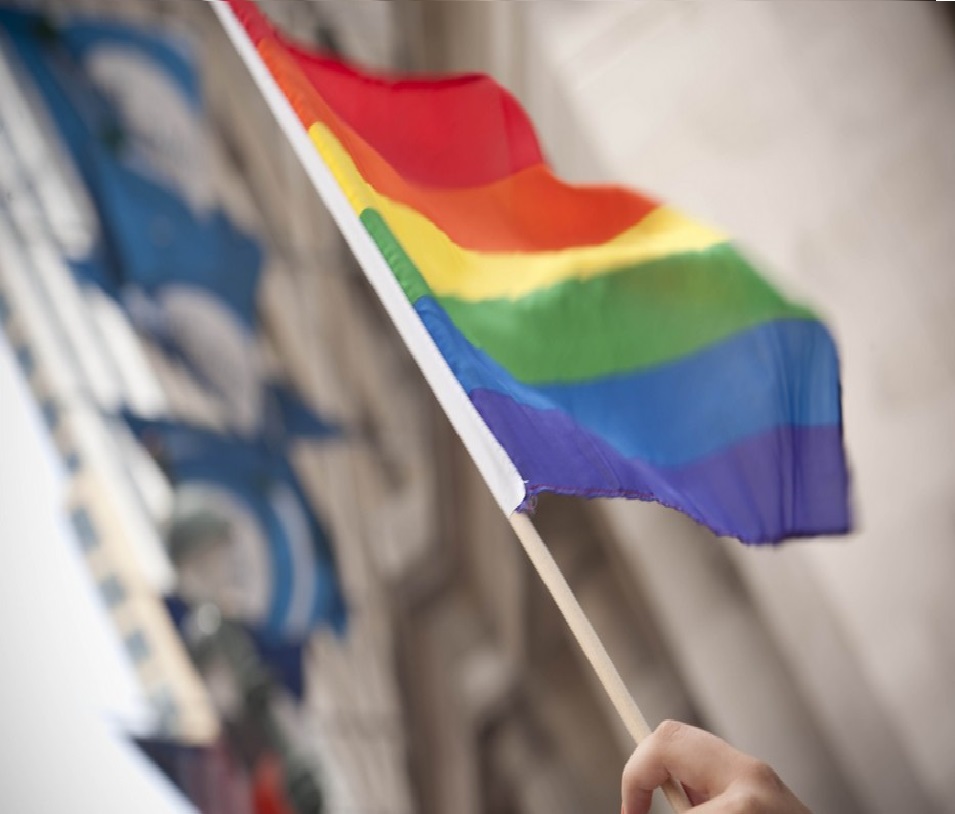
 Asociación Silueta X en Guayaquil y Quito Ecuador