
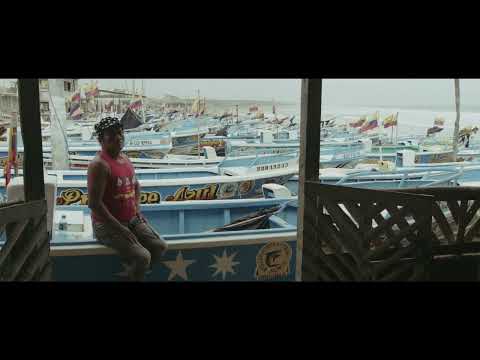
Similar questions do not mean identical identities.
Across Indigenous societies, colonial rule often altered the way gender, sexuality and kinship were recorded and governed. Comparative work can be valuable — but responsible comparison begins by respecting each people’s own history, terminology and self-determination.
Terminology matters
Two-Spirit is not a global synonym for Indigenous LGBTQ+
Canada officially places “2S” at the beginning of 2SLGBTQI+ to recognize Two-Spirit people as the first sexually and gender-diverse communities in that national context.
North America
Two-Spirit / 2S
A modern pan-Indigenous term adopted in 1990 and used by some First Nations, Native American and other Indigenous people in North America. It can involve gender, sexuality, spirituality, community role and cultural belonging.
Government of Canada terminologyEcuadorian Coast
Enchaquirados
A term connected to colonial descriptions of Wankavilka/Huancavilca gender and sexual diversity and later reclaimed by LGBTQ+ people in Engabao. It has its own historical trajectory and should not be relabeled as Two-Spirit.
Explore EnchaquiradosEcuador
Indigenous LGBTQ+ lives exist beyond one famous coastal story
Ecuador is a plurinational country with distinct Indigenous nations, territories, languages and political structures. There is no single “Indigenous LGBTQ+ experience” that can represent the Andes, Amazon and Coast.
Engabao is valuable because it is unusually visible and documented. Its visibility should become an invitation to research other Indigenous LGBTQ+ lives — not a substitute for them.
Research questions
A documented Ecuadorian case
Why the Enchaquirados attract global attention
The story sits at the intersection of Indigenous history, queer archaeology, colonial archives, fishing economies, trans life, rural community and documentary culture.
Academic
Hugo Benavides / FLACSO
A foundational 2006 analysis challenged heterosexist reconstructions of Guayaquil’s sexual past.
Read researchFilm
The Beach of Enchaquirados
Iván Mora Manzano’s documentary premiered at IDFA in 2021 and follows Vicky’s life between fishing and community.
IDFA archiveInternational media
EL PAÍS
A 2023 photo report brought Ecuador’s trans fisherwomen and Silueta X violence data to a global Spanish-language audience.
View reportContemporary reporting
Mongabay / Revista Late
2025 reporting renewed attention to trans fishing, generational continuity and livelihood in Engabao.
Read coverage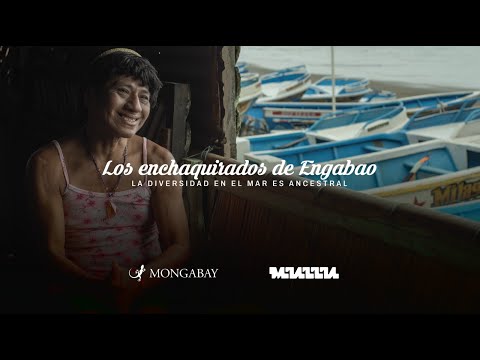
Human rights framework
Indigenous LGBTQIA+ rights include the right to remain Indigenous
UN Indigenous-rights discussions emphasize protecting LGBTQIA+ members of Indigenous peoples from actions that deprive them of cultural integrity, identity or belonging. Human-rights protection should not require cultural erasure.
Self-determination
Communities and individuals should define their own identities and terminology.
Intersectionality
Sexual orientation and gender identity can intersect with ethnicity, territory, poverty, language and migration.
Culturally safe services
Legal, mental-health and public-health responses need to account for geography, culture and community context.
For journalists, scholars and Indigenous-led projects
Ecuador needs more documentation — without extractive research
Silueta X maintains historical LGBTQ+ archives, rights documentation and links to community, legal, psychological and country-conditions work. We welcome serious inquiries that respect consent and Indigenous agency.
Media context
Background on Ecuadorian LGBTQ+ rights, violence documentation and the public Enchaquirados archive.
Research connections
Academic and documentary inquiries can be connected to existing public sources and historical materials.
Community-led documentation
Indigenous LGBTQ+ people and organizations may contact us about documenting their own stories under agreed privacy and consent conditions.
International contact
Research the connection. Respect the difference.
For media, academic, documentary or human-rights inquiries about Indigenous LGBTQ+ issues in Ecuador, Enchaquirados or Ecuadorian country context, contact Asociación Silueta X.
Key sources
 Asociación Silueta X en Guayaquil y Quito Ecuador