
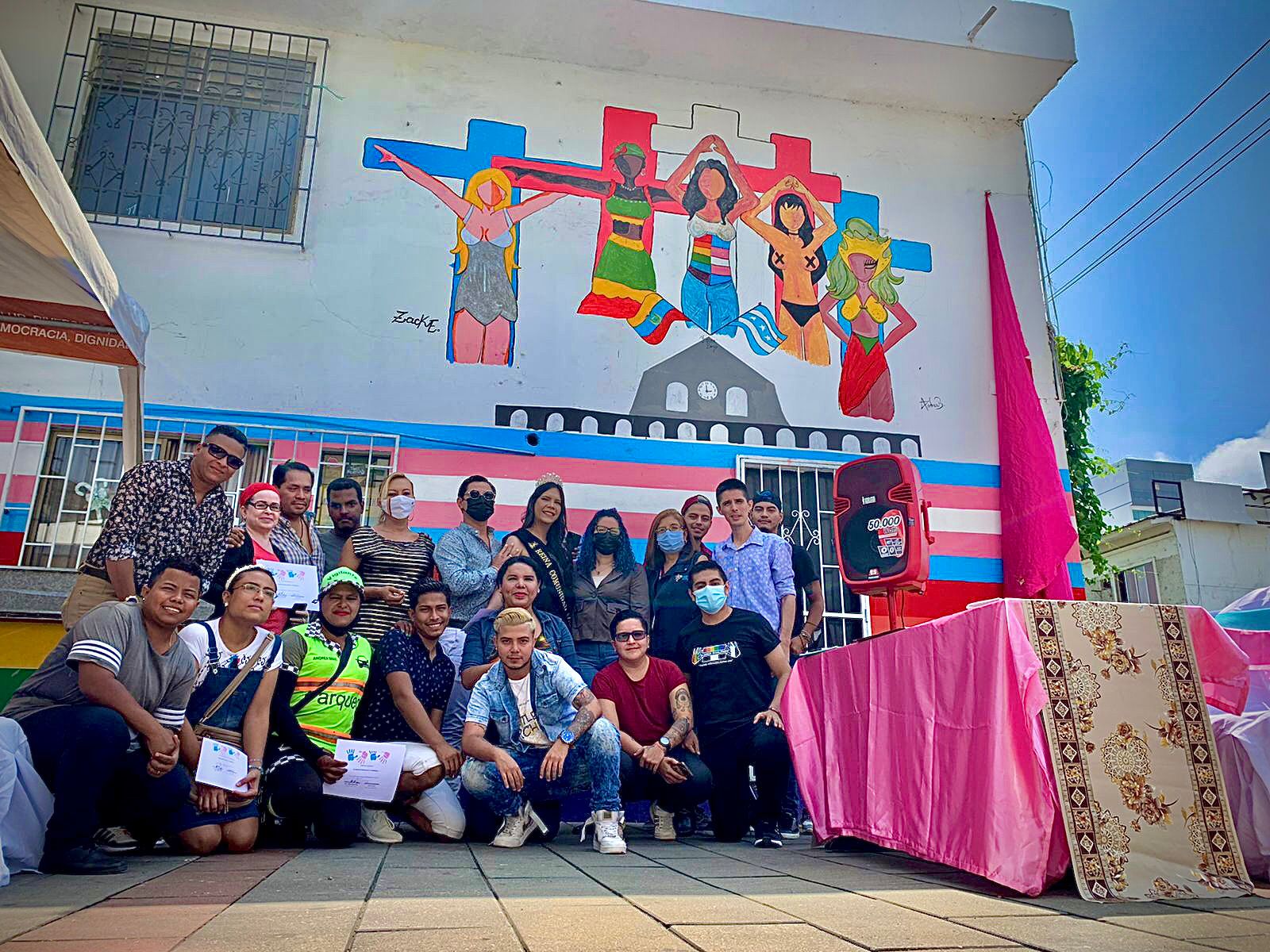
A cultural policy rooted in community
When a community creates, it is no longer only represented by others: it begins to produce the symbols through which it will be remembered.
For Silueta X, culture is not an ornamental add-on to human rights. It is a field where imaginaries are built, stereotypes are contested, memories are transmitted, futures are rehearsed and people are recognized as authors of their own experience. That is why the program works simultaneously across creation, training, circulation, cultural mediation and community heritage.
The program’s cultural language
Body, stage and memory
Three dimensions run through Silueta X’s cultural trajectory and allow very different practices to be understood within a single program architecture.
01 · Body
The body as language
Dance, acting, clowning, performance, stage presence and embodied expression turn the body into a site of creation capable of questioning what society presents as natural or immutable.
02 · Stage
The stage as encounter
Theater, voice, song, literature, festivals and public space create situations in which private experience can become felt, shared and culturally legible to others.
03 · Memory
The archive as future
Photography, press archives, testimony, publications and digital heritage help ensure that the histories of diverse communities do not survive only as fragmented memories or as versions narrated by others.
Cultural archive · 2010–2026
A trajectory from individual cultural actions to an ecosystem of creation, learning and memory
Silueta X’s institutional archive reveals continuity across experiences that may initially appear dispersed: puppet theater, artivism, literature, graphic production, festivals, digital memory, dance and public cultural programming.
2010 · early traces
Puppet theater and cultural activities
Silueta X’s early narrative reports already documented a Silueta X Puppet Theater alongside visibility activities, community gatherings and public expression.
Historical program
Art and Culture as an institutional area
An earlier version of the organization’s program framework explicitly identified “Art and Culture” as an area devoted to the arts and cultural spaces.
National Artivist Gathering
Art + activism + experimentation
In General Villamil Playas, Silueta X brought together workshops in contemporary dance, clowning, visual arts, literature, singing and digital culture, as well as performances and place-based artistic proposals.
2015 · publishing and reading
“Benedicto se siente niña”
Produced and directed by Silueta X, with writing, illustration, literary editing and English translation. The publication was distributed free of charge and formed part of the Artivista program.
2015–2019 · culture in the streets
Pride, performance and circulation
Parades, floats, artists, itinerant theater and festivals expanded the use of public space as a site for celebration, symbolic production and cultural participation.
2018 · artistic circulation
Open call for LGBT+ artists
The archive records a dedicated call to select LGBT artists for the Festival for Peace, Pride and Diversity, strengthening Silueta X’s role in cultural programming and the circulation of artistic talent.
2020 · digital heritage
Trans Memory Museum
Silueta X developed a virtual exhibition featuring photo galleries, press archives, stories, memories, historical articles and a memorial dedicated to trans people who died violently.
2025 · arts education
Dance School
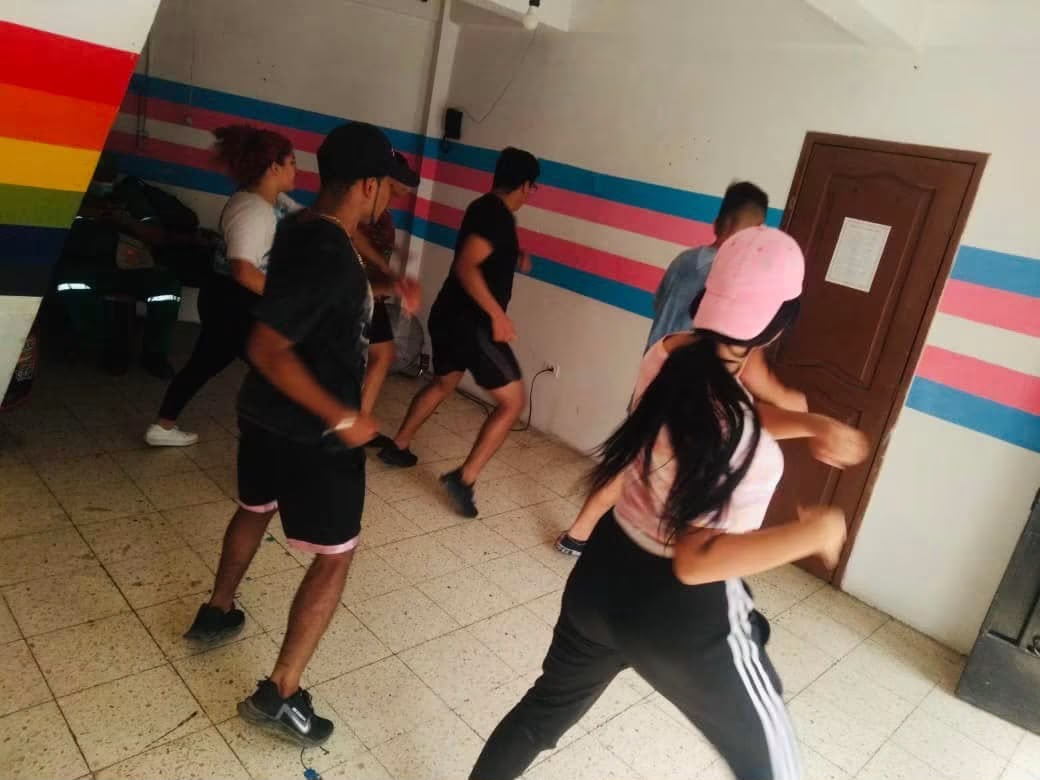
Silueta X’s programming incorporated training in reggaeton, hip-hop, salsa and jazz for children, expanding its work in arts education and community development.
2026 · large-scale programming
Pridely Fest · Palacio de Cristal
Silueta X and Cámara Plus brought Guayaquil Pride’s cultural programming to the Palacio de Cristal esplanade, connecting urban heritage, visibility and contemporary cultural production.
Public art · installation · performance · counter-memory
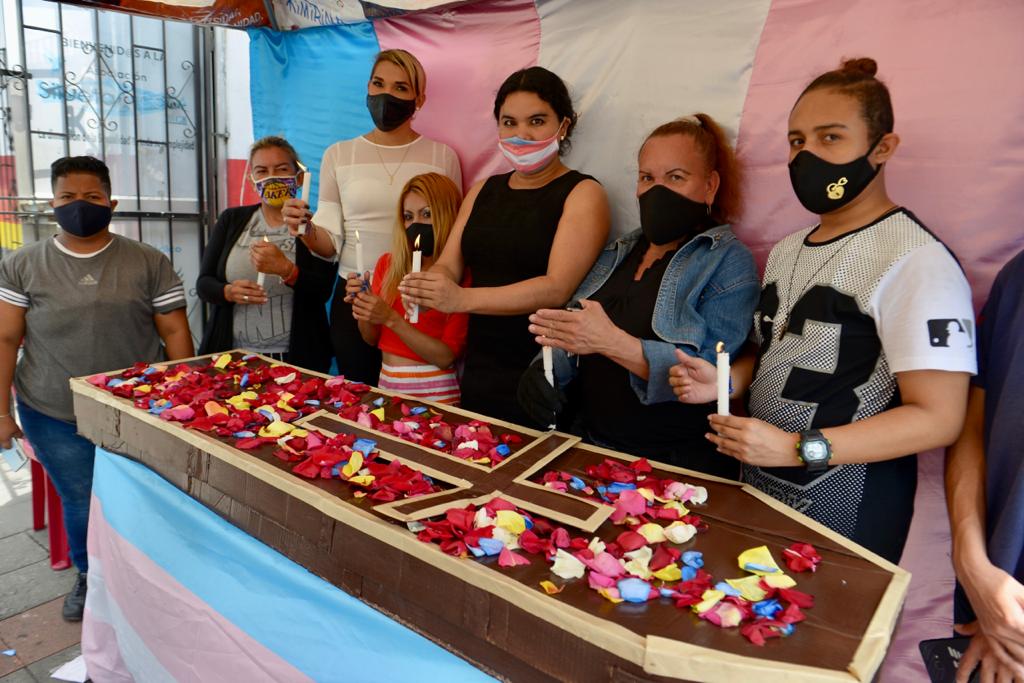
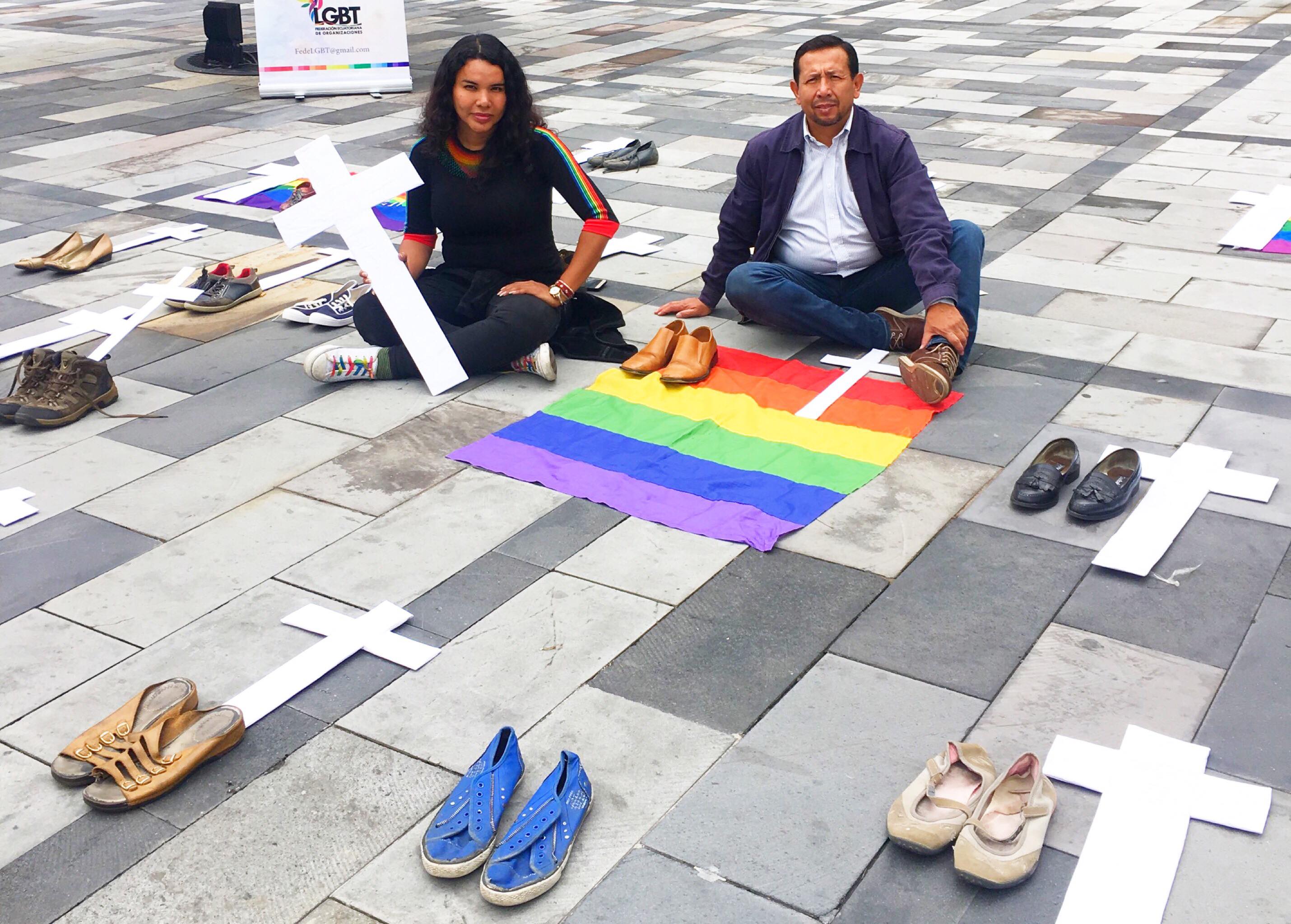
When grief enters the street, memory stops being private
A distinctive part of Silueta X’s cultural practice uses public space as an artistic medium. Crosses, empty shoes, coffins, roses, bodies, paint and memorial objects transform statistics of violence into images that can be seen, inhabited and remembered.



A methodology rooted in the archive
Artivism: when the artwork also contests meaning
The documentation of Silueta X’s First National Artivist Gathering systematized art as a practice capable of intervening in cultural codes, working through the body and translating social demands into sensory experience. That memory remains a conceptual foundation of the program.
Movement
Contemporary dance
Body, movement, self-knowledge and the re-signification of embodiment as creative material and as a way to unsettle rigid uses of gender.
Stage
Clowning and improvisation
Presence, listening, interaction, surprise and improvisation as tools for intervening in public space without reproducing clichés about gender, race or diversity.
Image
Drawing and visual arts
Form, color and composition as means of expressing emotion, generating collective readings and translating abstract ideas into shareable images.
Word
Poetry and literature
Poetry, short fiction, novels, essays and other forms of writing as spaces for imagination, working through experience and creative transmission.
Voice
Singing and vocal projection
Breath, resonance and vocal projection for singing, oral expression, performance and public intervention.
Digital culture
Narrative and networked circulation
Stories, photography, video, blogs and digital platforms expand the field of circulation and allow cultural production to travel beyond the physical place where it originates.

Dance · drag · vogue · embodied cultures
The body does more than interpret a work. It can also produce a cultural vocabulary of its own.
Silueta X’s embodied arts work includes dance classes for diverse youth, dance processes for children, and drag, vogue and performance practices developed in community spaces and public events. Gesture, pose, costume, rhythm and movement become languages of self-expression and public presence.

Literature · publishing · reading mediation
Reading also teaches us who is allowed to exist inside a story
Silueta X’s publishing trajectory connects writing, illustration, editing, translation, reading and community circulation. It goes beyond “publishing content”: it works with literature’s capacity to expand the repertoires through which identity and belonging can be imagined.
Original publishing project · 2015
Benedicto se siente niña
The story brought together authorship, production and direction connected to Silueta X, as well as illustration, literary editing and English translation. Its first edition was distributed free of charge and formed part of the Artivista program.
View the publishing archive →Cuentos TILGB Project
Storytelling as cultural mediation
The initiative was conceived as a series of stories to support family conversations about diversity. The story was also adapted into an audiovisual version with illustration, narration and sound.
Learn about Cuentos TILGB →Reading circulation
References that expand the imagination
Silueta X’s institutional platform has also circulated publishing references and LGBT+ stories from popular culture, helping create a reading environment in which diversity appears as a narrative subject in its own right.
Explore the reading archive →

Ethics of representation
Creative freedom grows when stereotype stops being the only available device
Since 2013, the “Hazme reír inteligentemente” (“Make Me Laugh Intelligently”) campaign has opened discussion with actors, comedians, screenwriters and communications professionals about humor, creativity and responsibility in relation to stereotypes of gender, race, sexual orientation, identity and culture.
The program can build on this precedent through conversations with performers, playwrights, screenwriters, comedians, producers and media professionals about character construction, stereotype, intersectional representation and artistic freedom.
Heritage · archives · social memory
An archive is not a storage room. It is an infrastructure for memory.
Silueta X has worked with press archives, photography, testimony, publications and memorialization. The heritage dimension of the program seeks to preserve these traces without freezing them: documenting them, contextualizing them, making them accessible and returning them to the communities that give them meaning.
Community museology
Trans Memory Museum
The virtual exhibition developed by Silueta X brought together six sections featuring galleries, historical press coverage, stories, memories and a memorial space.
Press archives
The press as historical document
The museum archive incorporated press materials related to legal change and the lives of diverse communities since the 1990s, including materials recovered through library collections.
Living heritage
Memories that continue to be made
The program adopts a community-based approach in which people and collectives help identify which practices, stories, objects, archives and expressions they consider meaningful to their cultural memory.
Living heritage · material culture · popular ritual
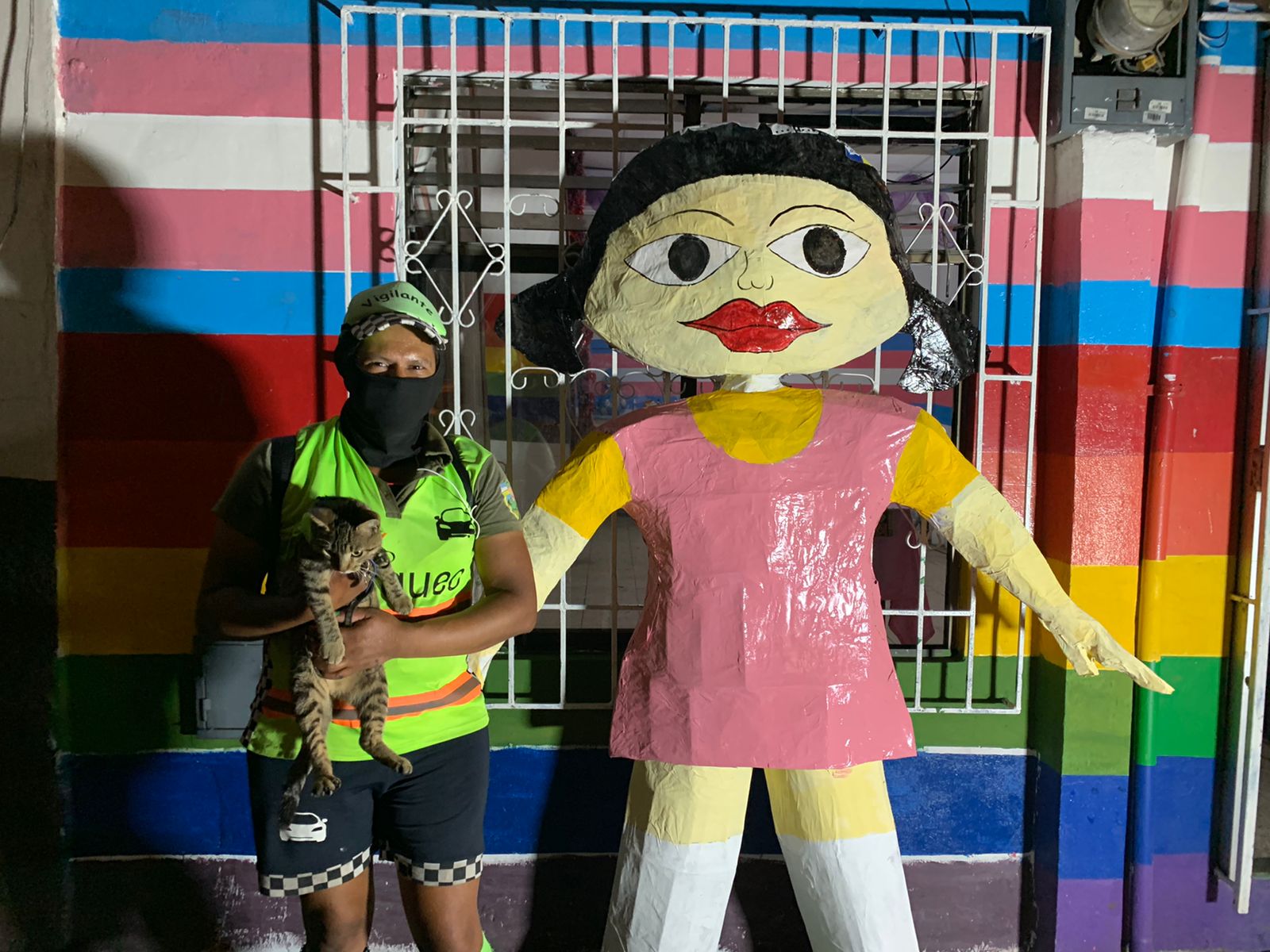
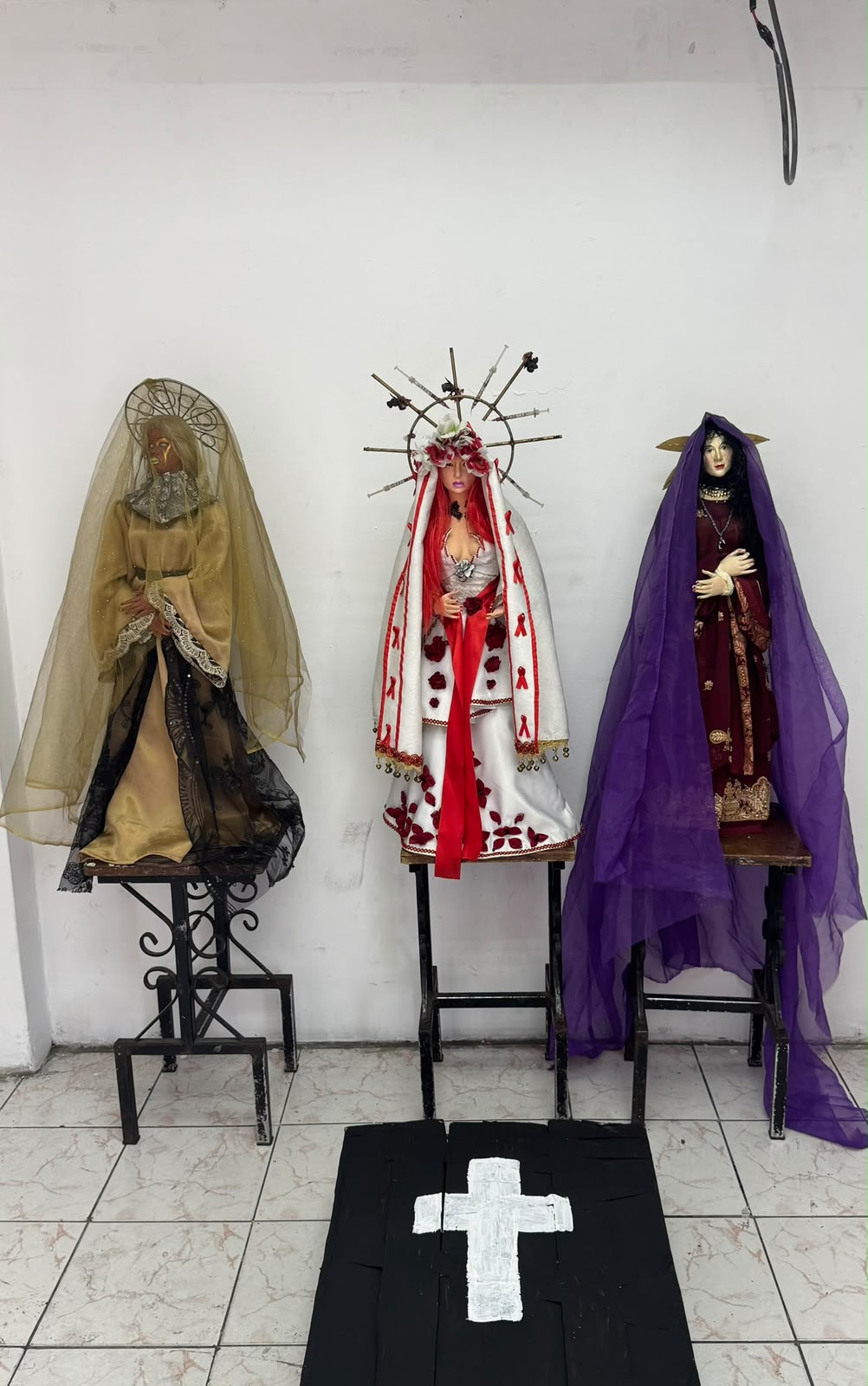
Some heritage does not live behind glass: it is made, celebrated, offered and begun again
The program recognizes community practices in which visual creation, ritual, memory and celebration are inseparable. This approach documents not only finished objects but also the knowledge, gestures, uses, meanings and forms of transmission that sustain them.

Program architecture
Eleven strands for creating, circulating, contesting meaning and preserving culture
These strands connect documented precedents with areas of continuity that can support work with artists, communities, cultural institutions, universities, archives, libraries and media.
01 · Performing arts
Acting and performance-making
Acting, improvisation, voice, dramaturgy, clowning, monologue, production, community theater and performance art.
02 · Body
Dance and performance
Training, embodied exploration, contemporary and urban dance, movement composition and performance practices.
03 · Sound
Music, singing and oral expression
Vocal technique, singing, oral storytelling, spoken word, listening, sound recording and music circulation.
04 · Writing
Literature, reading and publishing
Creative writing, short stories, poetry, narrative, reading circles and mediation, illustration, editing, translation and publishing.
05 · Image
Visual and graphic arts
Drawing, painting, photography, illustration, poster-making, comics, design, exhibition-making and digital visual creation.
06 · Screen
Audiovisual and digital culture
Video, video storytelling, documentary, digital narrative, audiovisual archives and critical media literacy.
07 · Heritage
Archives and cultural memory
Oral history, press archives, historical photography, digital collections, community museology, memorialization and intergenerational transmission.
08 · Circulation
Cultural management and mediation
Festivals, gatherings, open calls, exhibitions, programming, audiences, cultural partnerships and creative occupation of public space.
09 · City
Public art, muralism and installation
Community muralism, urban interventions, installation, ephemeral memorials, monuments, objects of absence and site-responsive creation in public space.
10 · Ritual
Living heritage and popular culture
Community ritual, Año Viejo traditions, festive material culture, popular religiosity, devotional sculpture, reinterpreted traditions and intergenerational transmission.
11 · Embodied aesthetics
Drag, vogue and performance cultures
Drag, vogue, pose, runway, styling, makeup, costume and theatricality as languages of character-building, belonging, aesthetic experimentation and cultural circulation.
Cultural value cycle
A work needs more than the moment in which it is created
The program approaches culture as a process: from acquiring tools and techniques to preserving what a community chooses to transmit.
Curatorial and working principles
Not every form of diverse representation produces cultural diversity
The cultural integrity of the program depends both on the artistic result and on the conditions under which work is created, credited, interpreted and preserved.
Culture also produces evidence
Measuring without reducing artistic experience to a number
Monitoring combines quantitative information with qualitative documentation. The goal is not to decide whether a work is “valuable” based on audience size, but to understand reach, participation, circulation, learning, preservation and access.
participants, hours, disciplines and completed processes.
works, productions, publications, records and pieces created.
performances, exhibitions, readings, festivals, territories and audiences.
archives described, digitized, contextualized and made accessible.
diversity of voices, co-authorship, mediation and community decision-making.
skills, continued artistic practice, perceptions of access and audience experience.
Dialogue with international cultural frameworks
Cultural diversity, artistic freedom, living heritage and participation
The program engages with an international cultural field that understands culture through creation, circulation, participation, transmission and development, and recognizes that communities should play a central role in interpreting their own heritage.
References to these frameworks describe conceptual and methodological affinities; they do not imply accreditation, endorsement or a financial relationship with UNESCO or any other international organization.
Creation, research and cultural cooperation
Some archives need new questions. Some artists need new encounters.
The Art, Heritage and Culture X Program is open to creative processes, residencies, artistic research, training, curatorial practice, cultural mediation, archival work, publications, festivals and cooperation with institutions working across culture, memory and diversity.
Artists and cultural practitioners
Create and circulate
Acting, dance, music, writing, photography, illustration, performance, audiovisual work, design, digital arts and hybrid practices.
Museums, libraries and archives
Preserve and activate
Cooperation on archives, exhibitions, oral history, digitization, preservation, heritage research and cultural mediation.
Universities and cooperation partners
Research and transmit
Artistic research, cultural studies, memory, arts education, heritage, indicators and participatory methodologies.
Archives, documents and sources
A cultural trajectory that can be traced
Memory, rigor and context
A cultural archive also requires critical reading
This page distinguishes historically documented actions, participation in cultural processes and the program’s areas of continuity. It does not automatically turn every Silueta X activity into an “artwork,” nor does it attribute authorship that belongs to artists, collectives or partner organizations.
Historical terminology: some older documents use terms that reflect their time. Current language prioritizes “trans people,” “LGBT+,” “LGBTIQ+,” “diverse children and adolescents,” and language that respects self-determination.
Heritage: the use of terms such as “living heritage,” “festive material culture” or “popular religiosity” describes a community-based approach to documentation, use and transmission; it does not claim that any specific Silueta X practice has been officially designated as heritage by UNESCO or a public authority. Works by identified artists retain their corresponding authorship and credit.

