
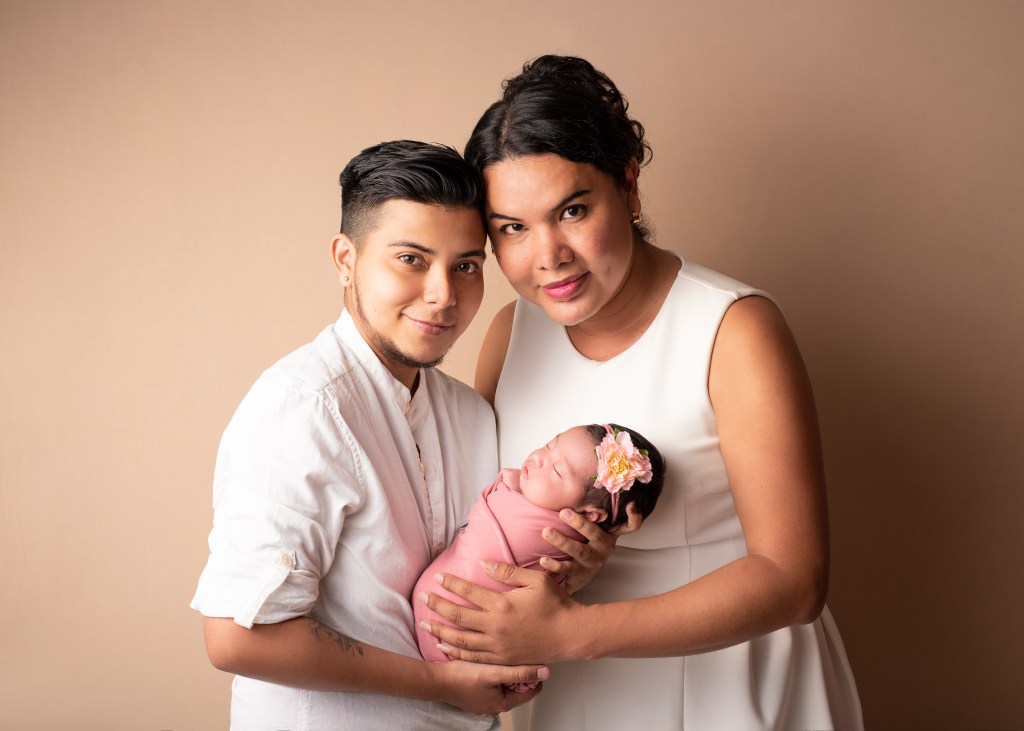
A trans family should not have to be extraordinary to be considered a family.
The significance of Diane and Zack’s story is no longer only reproductive. It is cultural. It shows what happens when a trans mother and a trans father move beyond the headline and into the ordinary responsibilities of parenting: care, education, work, safety, boundaries, affection and a long-term family project.
The family story
From a story that challenged expectations to a family living beyond them
Diane and Zack publicly documented their path through partnership, fertility, pregnancy, birth and parenting. Silueta X described Zack at the time as the first Ecuadorian trans man to give birth publicly, turning a private family journey into a national conversation about bodies, reproduction and parenthood.
Before the headline
Wanting a family
Before media attention, there was a couple trying to turn a desire for motherhood and fatherhood into a real family project.
2021
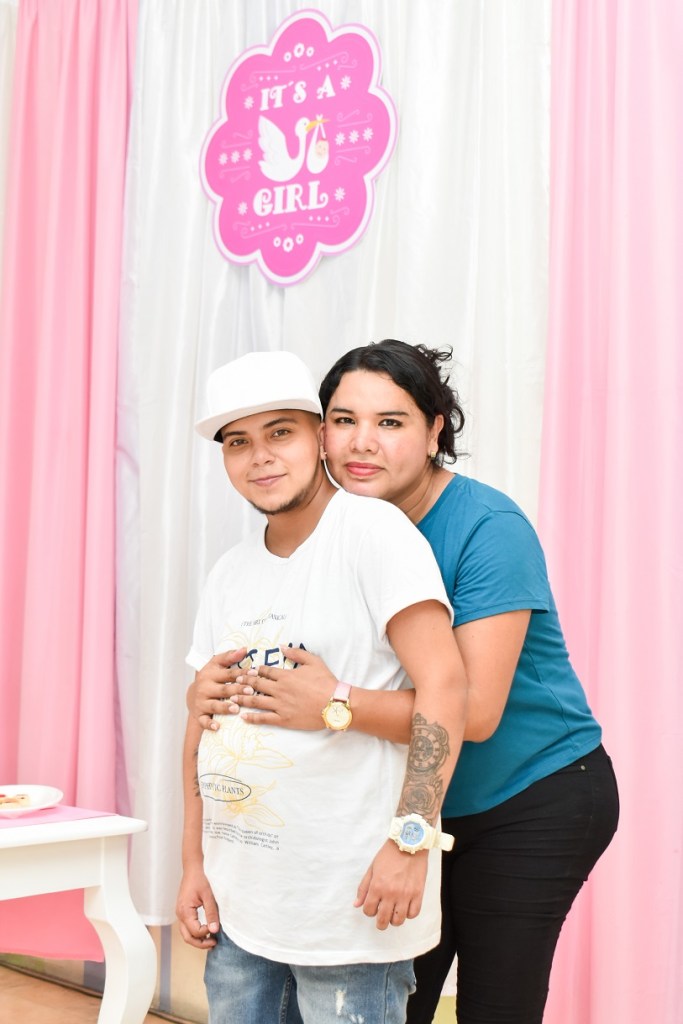
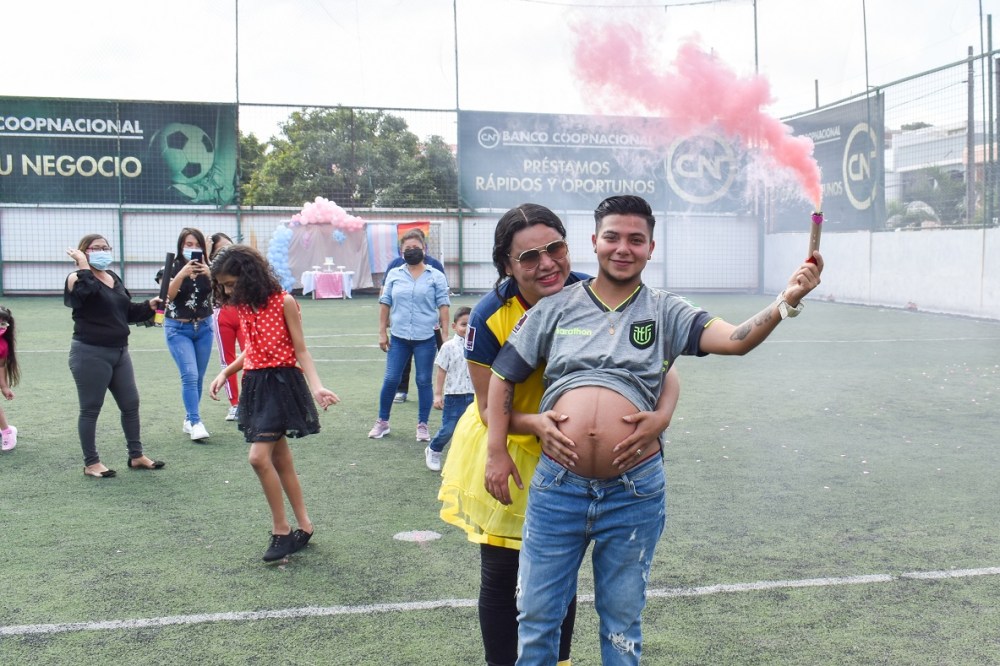
Zack carried the pregnancy. Valhy arrived.
The pregnancy challenged conventional assumptions about who can carry a child and what it means to be a father.
Afterwards
The news story became parenting
The focus moved from pregnancy to the decisions every family knows: health, sleep, education, work, safety, privacy and care.
Today
Visibility with boundaries
The family no longer turns every stage of childhood into public content. Their public voice remains strongest where family equality and discrimination are at stake.

When everything became real
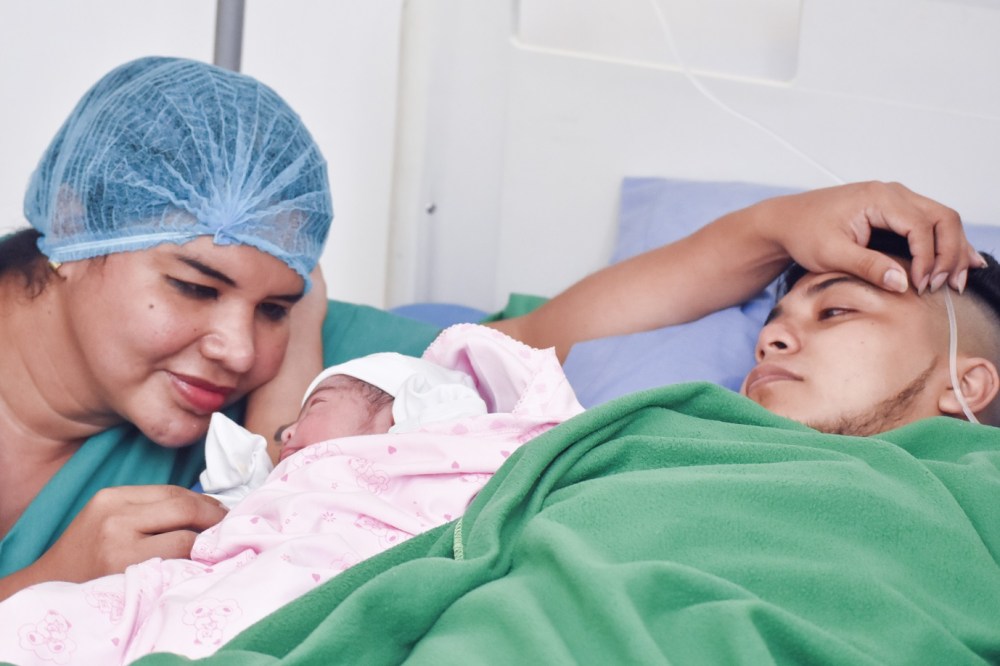
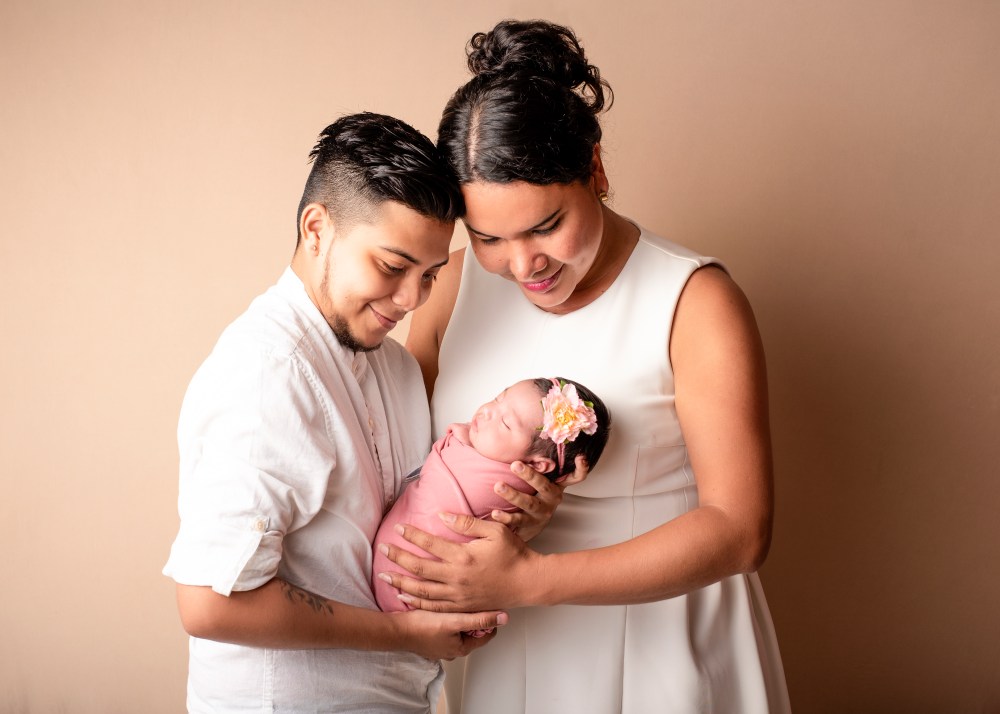
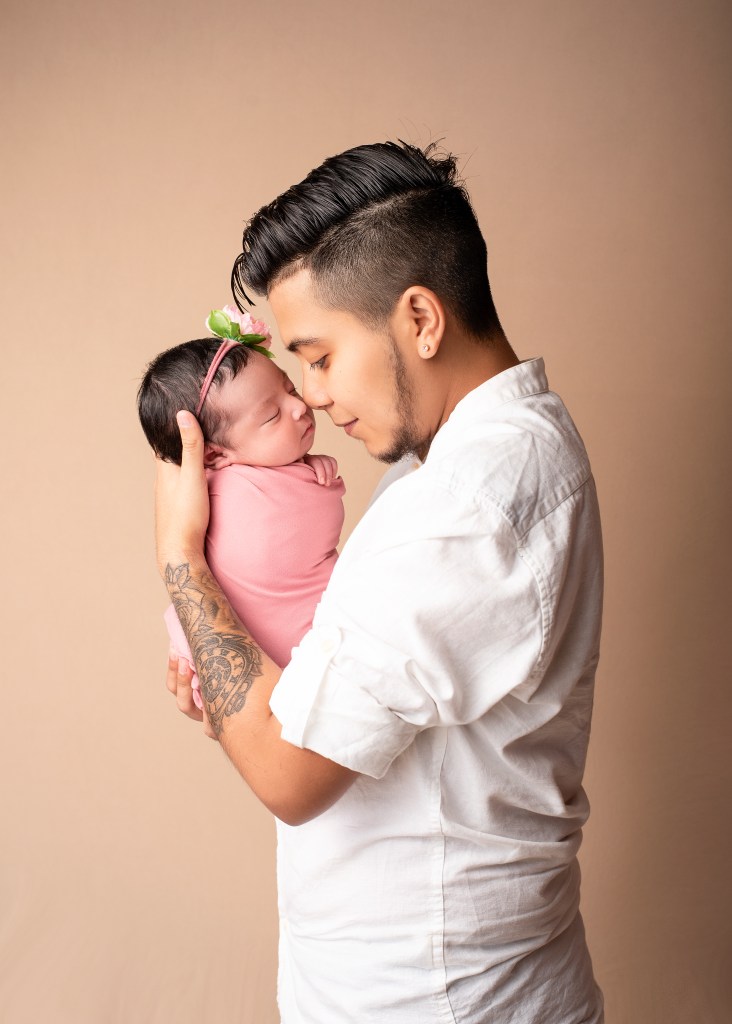
The debate disappeared for a moment. There was simply a newborn and her parents.
The birth photographs reveal something public debate often forgets: behind arguments about transgender people are ordinary human experiences — exhaustion, fear, tenderness, attachment and the beginning of family life.
The story after the story
What does parenting look like when both parents are transgender?
The answer is deliberately less sensational than the question. Diane and Zack have not tried to create an extraordinary childhood. They have tried to create a secure one.
Love without shame
A child should not learn that her family is a secret. She can understand that her parents are different without learning that difference means less.
Age-appropriate truth
Family diversity can be explained in language appropriate to each stage, without making a child responsible for adult political debates.
Her own voice
Being raised by activists does not require a child to inherit their activism. Parenting means giving her tools to understand the world and form her own views.
Prepared, not frightened
Acknowledging that discrimination may happen is not the same as raising a child in fear. It means ensuring adults are ready to respond when institutions fail.
The life cameras rarely follow
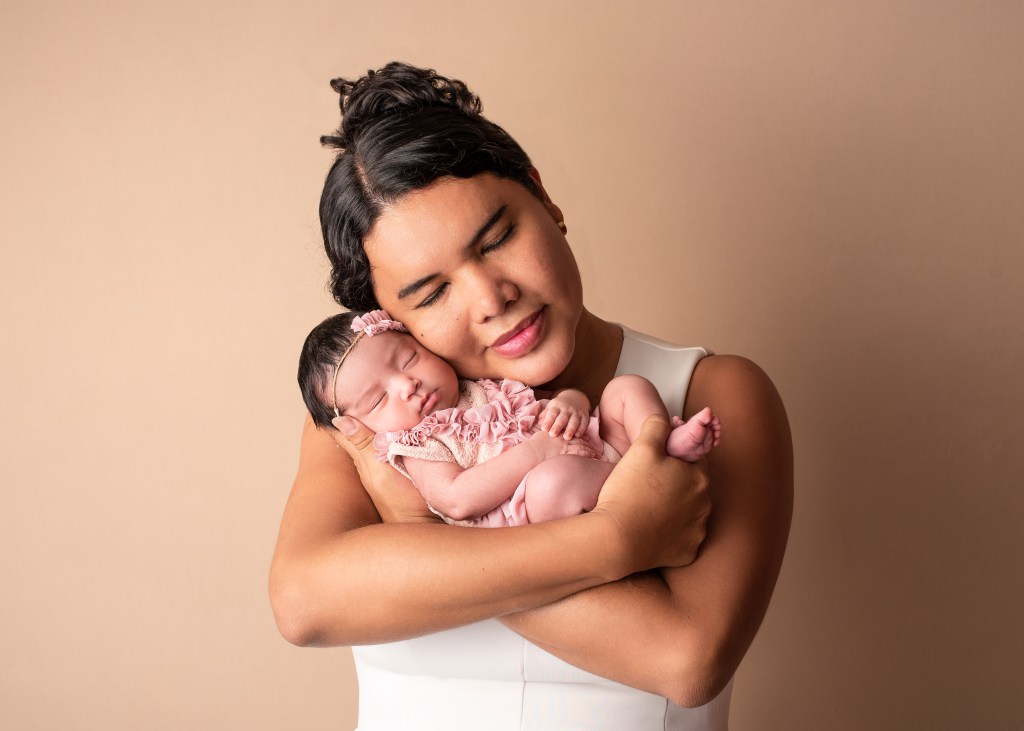
After the interviews came the ordinary days
That ordinary continuity is what makes the Rodríguez–Elías family useful in conversations about social change. Visibility is not only about being seen once. It is about allowing society to see trans people as capable of continuity, caregiving and family life.

A story that crossed borders
International media saw the pregnancy. The family story is still unfolding.
Earlier coverage asked whether a trans man could carry a pregnancy. A more mature question is what happens afterwards: how a family navigates school, public prejudice, privacy, careers and the ordinary work of raising a child.
CNN en Español
Reflexiones con Don Francisco
The couple discussed their relationship, family life and how they thought about preparing their daughter for possible discrimination.
View referenceCaracol · Colombia
Los Informantes
Caracol traveled to Ecuador for a long-form profile centered on Diane and Zack as parents and on the challenge of building a family under prejudice.
View coverageUnivision · United States
A family that challenged barriers
The U.S. Spanish-language network covered the couple’s family story and the hostility they had faced after becoming publicly visible.
View coverageMexico
Latin American LGBTQ+ coverage
Mexican LGBTQ+ media also placed the family inside a wider regional conversation about trans parenthood and rights.
View archiveFor editors, reporters and documentary teams
The next story is not another pregnancy headline
These are the questions that move the conversation from curiosity about transgender bodies to the social reality of transgender family life.
International media contact
Family experience meets psychology, law and trans-rights history
Diane and Zack can provide context on trans parenthood, family life, reproductive visibility, discrimination, education, privacy and the evolution of transgender rights in Ecuador.
Media, research and documentary requests should include the journalist or researcher’s name, outlet or institution, country, proposed angle and deadline. Requests involving Valhy are evaluated separately under privacy, security and child-protection criteria.
Institutional contact
 Asociación Silueta X en Guayaquil y Quito Ecuador