Fundación de mujeres diversas, grupos vulnerables y personas LGBTIQ+ Trans, lucha por salud, educación, empleo, justicia, ciudadanía, medio ambiente, tecnologia e innovación y democracia
Food Dignity X | Trans-Inclusive Food Security in Ecuador
Asociación Silueta X · Ecuador · Community Food Action Since 2007
Food
Dignity X
Trans-Inclusive Food Security, Social Protection & Community Resilience Program
Food Security · Humanitarian Outreach · Social Protection · Health · Protection · Resilience
Food Dignity X builds on years of community food action by Silueta X to create a stronger pathway for people facing overlapping vulnerabilities — beginning with an essential need and connecting, when appropriate, to health, protection, rights and opportunities for greater stability.
Community Outreach · Ecuador
Silueta X has previously combined mobile food assistance with HIV-related health outreach and community information.
Why this program matters
Food can meet an urgent need.
The first contact can open a pathway to something more.
Food insecurity rarely exists in isolation. It can overlap with unemployment, displacement, violence, health barriers, disability, discrimination, housing instability and exclusion from social-protection systems.
Food Dignity X therefore treats food assistance as both an essential response and a voluntary point of connection to additional information, referrals and specialized support.
Reaching people who can be left behind
Poverty does not affect everyone
through the same pathways
Trans people may experience overlapping barriers related to employment, discrimination, violence, health care, documentation, housing and social protection.
A trans-inclusive food-security response does not assume that every trans person is vulnerable. It ensures that people who are experiencing food insecurity are not excluded from assistance because conventional systems fail to recognize the realities they face.
A relevant precedent in Ecuador
WFP and UNFPA have already examined food security and nutrition among LGBTQI+ people and people at risk of HIV in Ecuador.
The assessment covered Pichincha, Guayas and Manabí and was intended to inform programme design.
We did not invent a food-security project to pursue funding
Food Dignity X systematizes a community practice that has appeared throughout Silueta X’s history in different forms.
2007
Community food initiatives
Silueta X’s institutional history records community meals, food baskets and year-end food activities as part of community support.
2017
NaviTrans
Food support, community connection and trans-focused activities became more visibly connected within Silueta X’s seasonal community actions.
2020
Trans Community Kitchen
During the COVID-19 emergency, Silueta X publicly presented its Trans Community Kitchen in Guayaquil as an emergency response to economic exclusion and food insecurity.
2020
Mobile community outreach
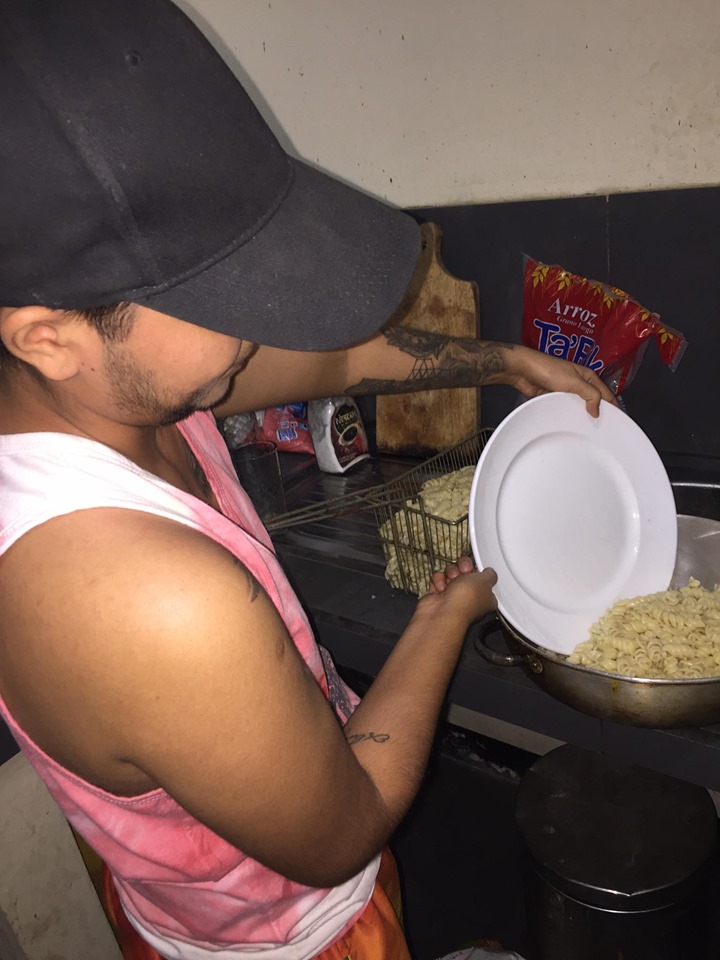
Silueta X brought food assistance directly to trans women in street-based settings and combined outreach with HIV testing, health information and referral pathways.
2021+
Food baskets and flexible responses
Food assistance continued through baskets and other community responses designed around specific situations of vulnerability.
TODAY
Food Dignity X
A structured framework connecting food security, humanitarian outreach, social protection, specialized referrals and community resilience.
Integrated community pathway
Food → Listen → Connect →
Protect → Strengthen
Access to food never requires participation in additional services. When people voluntarily identify other needs, however, Silueta X can provide information or pathways to specialized support.
🍲Food
Respond to an immediate food-security need.
👂Listen
Create an opportunity for people to identify other needs voluntarily.
🔗Connect
Offer information and appropriate referral pathways.
🛡️Protect
Connect people with health, psychosocial, legal or protection resources.
🌱Strengthen
Link with longer-term resilience and autonomy opportunities where available.
Food security & humanitarian partnerships
Relevant to the food-security priorities currently identified in Ecuador
WFP’s Ecuador Country Strategic Plan focuses on vulnerable and food-insecure people, human mobility, essential needs, resilience, emergencies and more inclusive food systems.
Food Dignity X offers a community-based pathway for reaching people whose gender identity, mobility status, disability, health status or other overlapping conditions may create additional barriers to conventional assistance.
Essential NeedsFood assistance tailored to vulnerability and context.
Human MobilityPotential integration with migrant, refugee and displaced populations.
Food outreach can also become a voluntary bridge to health and protection
For humanitarian and sexual-and-reproductive-health partners, Food Dignity X offers more than food distribution: community contact can support safe information, referrals and connections to services for people experiencing overlapping vulnerabilities.
♀️ Gender-Based Violence
Safe information and referral pathways for people experiencing violence when identified within program activities.
❤️ Sexual & Reproductive Health
Community information and connections to appropriate health and prevention services.
🧠 Psychosocial Support
Referral pathways to psychological and psychosocial support where relevant and voluntarily requested.
🌎 Human Mobility
Integration with support pathways for migrants, refugees, returnees and people affected by displacement.
🚶 Mobile Outreach
Flexible community approaches for reaching people facing geographic, social or institutional barriers.
🛡️ Safe Referral
Dignity, confidentiality, informed choice and a do-no-harm approach to referrals and sensitive information.
Each funded intervention can select the components that match donor priorities, available resources and the needs identified with communities.
🍲
Prepared Food Assistance
Community meals or mobile food assistance according to project design and context.
🛍️
Food Baskets & Essential Support
Food products and other appropriate assistance for people meeting project vulnerability criteria.
🚶
Mobile Outreach
Taking food assistance and information closer to people who face barriers accessing institutional services.
❤️
Health & Prevention Linkages
Connections to HIV, sexual health, mental-health or other appropriate health resources.
🛡️
Protection & Social Referral
Information and pathways related to violence, legal rights, migration, displacement and social protection.
📊
Evidence & Accountability
Responsible monitoring, community feedback, learning and reporting to strengthen accountability.
Adaptive assistance
The delivery model can change.
Dignity should not.
Food security does not require one permanent delivery model. Depending on funding, context and community needs, assistance may include community meals, food baskets, mobile outreach or emergency responses.
This flexibility allows institutional partners to support interventions that are proportionate, accountable and adapted to the situation rather than maintaining infrastructure that may not always be necessary.
Vulnerability-informed targeting
Prioritizing people where
multiple barriers intersect
The program retains a historical priority toward trans people while allowing funded interventions to include other populations facing food insecurity and overlapping vulnerabilities.
🏳️⚧️ Trans People
Particularly when food insecurity overlaps with economic or social exclusion.
♀️ Diverse Women
Including survivors of violence and women experiencing intersecting vulnerabilities.
❤️ People Living With HIV
When food insecurity or related social barriers are present.
♿ People With Disabilities
Recognizing economic, social and accessibility barriers.
🌎 Migrants & Displaced People
According to project objectives and vulnerability criteria.
🛡️ People Affected by Crisis
Where shocks or emergencies compromise access to basic needs.
The multiplier
Food assistance can connect with an existing support ecosystem
Silueta X does not need to build every service inside the food program. Existing specialized pathways can provide additional options when a participant voluntarily requests support.
Your support can begin with food.
Its value does not have to end there.
A funded food-security intervention can provide immediate assistance while also making information, health pathways, protection and specialized referrals easier to reach for people who choose to use them.
Funded interventions can establish indicators appropriate to their scope. Food Dignity X does not claim outcomes that have not been measured.
Food Assistance
Meals, baskets or other forms of food assistance delivered.
People Reached
Participation data collected with privacy and data-minimization safeguards.
Information & Referrals
Appropriate support pathways offered when additional needs are identified.
Geographic Reach
Locations reached within each funded intervention.
Community Feedback
Appropriate mechanisms to understand accessibility, relevance and areas for improvement.
Learning
Evidence used to improve program design and future responses.
Dignity, protection & accountability
Assistance should never require someone to surrender their dignity
Program design should minimize unnecessary collection of sensitive information, protect confidentiality, avoid stigmatizing eligibility processes and ensure that access to food is not conditioned on participation in unrelated services.
Do No HarmDesign interventions around safety and dignity.
ConfidentialityProtect sensitive personal information.
AccountabilityCreate appropriate feedback and learning mechanisms.
Sustainable Development
Food security intersects with
health, equality, protection and resilience.
Depending on project scope, Food Dignity X can contribute to development priorities related to poverty reduction, zero hunger, health, gender equality, reduced inequalities and partnerships.
SDG 1 · No Poverty |
SDG 2 · Zero Hunger |
SDG 3 · Good Health and Well-Being |
SDG 5 · Gender Equality |
SDG 10 · Reduced Inequalities |
SDG 17 · Partnerships
Partner with a trans-led organization in Ecuador
Meet an essential need today.
Help strengthen pathways beyond it tomorrow.
We welcome dialogue with United Nations agencies, international cooperation, foundations, humanitarian actors, universities, public institutions, companies and other partners interested in food security, social protection, health, gender, humanitarian response and community resilience.